Blog

  • How To Have Smooth, Poreless, Acne-free Skin

    How To Have Smooth, Poreless, Acne-free Skin

    Acne-Free skin is possible with proper skincare.  Did you know that large pores are the cause of many skin problems and many suffer from acne, blemishes, skin pigmentation, and skin inflammation.  If you are wanting to avoid acne, pimples and spots, you must control the issue of large pores.

    Sadly, many people are not even aware of the size of their pores, and they don’t take adequate measures to cleanse the pore of debris once it is opened. Many women have this problem especially as it relates to pregnancy, hormonal changes, or even bad hygiene.

    I can’t tell you the number of times I’ve advised my pimple faced teen to do a better job of cleansing her skin nightly.

    How To Have Smooth, Poreless, Acne-free Skin

    If you are a pregnant women and you find yourself bothered by the size of your pores during your pregnancy, you will find it easier to treat the situation rather than let it add to already heightened emotions. One simple solution could be to try using a simple facial scrub before you consider using products with chemicals, or resort to having expensive surgery. A simple, inexpensive facial scrub can be used on your skin daily without concerns for the safety of your unborn child.

    Studies have shown an increase in skincare issues during pregnancy due to sudden hormonal changes which increase the appearance of pimples and blemishes. You don’t have to be pregnant however. Any severe hormonal imbalance, usually caused by an increase in progesterone, can cause swelling, redness, itchiness, and inflammation. These are common symptoms of acne. The fluid in the pore may also become enlarged, and this can cause skin pigmentation and skin blemishes.

    There are a few things you can do to prevent the appearance of scars like applying collagen or elastin creams. These creams can eliminate the growth of new skin and soften the area, reducing the appearance of scars. Note:  It is important to use a cream, as opposed to a moisturizer. While moisturizers can make the skin look more elastic, the cream is actually applied on the damaged and inflamed areas and can make the skin look more smooth and hydrated.

    If you want to reduce pore size, you can use a topical cream or as mentioned above, a simple scrub you can get at any department store. Pores are very sensitive, and it is important to remember that any type of cream or scrub can cause irritation or allergic reactions, so it is important to check with your doctor before using any type of strong chemically based cream or scrub.

    Those who have acne should be careful when using creams, as they can cause swelling, which will make the acne larger, and may cause a big amount of discomfort. If you are having a serious problem with acne or other skin conditions, be sure to see your doctors.  If at all possible, use creams that are prescribed by your doctor and avoid over the counter if you have serious issues. If at all possible, it is best to use natural remedies.

    In terms of natural remedies, there are some herbs that can help in the treatment of pore size. Chamomile is one of them. Chamomile can be found in herbal tea, which can be taken for its calming effects but also applied to your skin. (cold, not hot)

    You may want to consider avoiding citrus fruits, because they can irritate the skin, and can enlarge pores and may cause or aggravate pimples.

    When it comes to acne, you should pay special attention to your diet, as it is one of the major factors in common skin problems. This is because acne can occur due to poor food choices like greasy french fries, and other fried fruits instead of a balanced diet of fresh fruit and vegetables.  Your diet could also contribute to large pores.

    How To Have Smooth, Poreless, Acne-free Skin

    One simple fix in your diet could be the oils you consume. Choose extra virgin olive oil or even coconut oil, and be sure to drink a lot of water. The goal is to keep your body well hydrated and make sure that your skin is well-nourished, to minimize acne. Also, drinking lots of water will make your pores less prone to infections and make your skin smoother.

    While you can do this by yourself, you should take advantage of the professional advice from dermatologists. They will know how to treat acne and will be able to find the right solutions to keep your skin healthy.


    How To Have Smooth, Poreless, Acne-free Skin

  • Why The Banking Industry Is Your Connection To The Whole World

    Why The Banking Industry Is Your Connection To The Whole World

    It is very difficult to grasp the essence of banking from a general viewpoint. Banking and finance have become synonymous with the word “money”. Thus, all banks, credit unions, and securities firms are deemed to be in the business of money.

    Money is an important part of our lives in a way that it touches our lives throughout our whole life. In fact, the whole structure of the economy, and even your daily life are not possible without money. Banking is considered as a way of using this valuable money.

    Why The Banking Industry Is Your Connection To The Whole World

    In ancient times, banking was used to keep poor people on a strict budget. Later, banking systems were created to hold the profits of the financial companies. Eventually, money became a sacred part of the society, as a form of currency that can be exchanged into a great deal of things, from cloth to food to new houses. The banking system became important during the industrial revolution in the early twentieth century.

    Banks loan money and do not charge interest on the money lent out, but when they take the money back, they make their profit from the interest rate that they charge. The interest rate that they charge varies according to the market of the bank, so banks need to regularly raise the interest rate to cover their losses.

    Banks are mostly to be found in the countries that have developed their economies from agriculture to manufacturing and now plan to cash in on the rise of the money supply, i.e. the amount of money in circulation. Banks in developed countries can be found mainly in the United States, France, and in Europe.

    To begin with, a bank must have good credit. It must not charge large interest rates on its loans and must keep the money of the depositors safely within the bank. The bank must also keep good track of how much money is in the bank at any one time.

    Once banks get their start, it was very hard for them to grow because they did not have many competitors. They were also interested in operating with low overhead. Over time, competition emerged from commercial lending institutions, and then banking and finance institutions came to be known as insurance companies.

    There are three types of financial institutions: the commercial banks, the public-private partnership, and the non-profit institutions. The commercial banks are governed by the government and are owned by the government or a third party. Public-private partnerships are nonprofit organizations where the government finances the operation and has limited control over how the organization does business.

    Non-profit organizations operate under the principle of “social justice” and manage to minimize the extent of bad debts. The results of these non-profit organizations are what eventually lead to a more stable banking system.

    Why The Banking Industry Is Your Connection To The Whole World

    Today, a lot of new business houses and companies started to go in for business houses. Since they do not hold collateral or deposits in the bank, they can easily expand their business to countries outside the country.

    The whole financial system is based on banks. Thus, it is important for you to understand that the whole world is connected to the banking industry, and you cannot really escape from it even if you intend to.

    Why The Banking Industry Is Your Connection To The Whole World

  • When on a Gluten-Free Diet, Is Breakfast Essential?

    When on a Gluten-Free Diet, Is Breakfast Essential?

    Deciding what to eat for breakfast is one of the biggest challenges people on a gluten-free diet face daily. Most of us were raised eating toast, cereal, pastries, etc. for breakfast. When you’re on a gluten-free diet, you’ll find you have to give up most of the childhood breakfast items you grew up on.

    At one point in my life, I was eating steel cut oats daily until that seemed to cause me problems as well.

    Gluten-Free Diet

    If you find that yourself craving bread, you know have to find a way to eat gluten-free bread, cookies, pastries, etc, instead. Besides the hassle of having to find gluten-free bread, you are also going to pay a lot more for it as well.

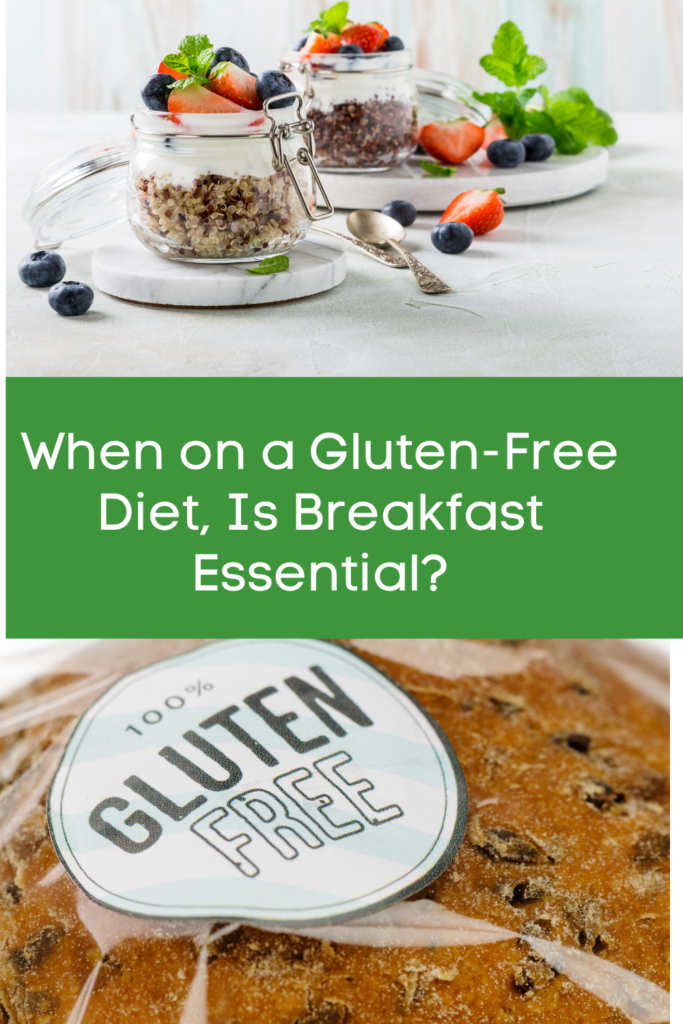
    As for me, I just gave it up and switched to eating Chia Pudding instead. Doesn’t always satisfy the cravings but eliminates the physical reactions to things I shouldn’t eat.

    There are many other types of nutritious things you can eat for breakfast, like quinoa or even a chicken leg if you want but this article presents another alternative you might not have considered – just skip breakfast altogether.

    Gasp – Yes, you read that right and if you are like me, you gasped out loud because the thought of NOT eating breakfast is unimaginable. Never mind the fact that we’ve been told for years that breakfast is the “most important meal of the day.”

    Gluten-Free Diet

    Here’s something to consider: your body can function just as well without breakfast. In fact, it just might be better if you do skip breakfast. Here’s why. When you skip breakfast, your body will be in a state of fasting for a longer period of time. Breakfast, after all, means to break the fast. If you typically sleep for 7-8 hours and skip breakfast, your first meal may be at 11am or noon.

    There are studies showing that “intermediate fasting” is actually a good way to optimally run your body and your metabolism. If you are looking to get rid of weight, this is one way to do that.

    The thinking goes like this: During a set period of time during the night while you sleep, your body is in a fast and burns fat stores for fuel. The intermittent fasting concept of fasting for about 16 hours a day is one of the best healthy habits that you could chose for your health.

    I have tried this in the past and it works like this. I pick an 8 hour period during the day that I will eat my meals. I found it difficult to not eat in the morning so I picked the time frame of 9am to 5pm. I can eat ONLY during that time frame and fast during the rest of the time.

    Many people have even more success with making the eating window smaller and fasting for more hours. You’d have to test this to see what works best for you.

    Let’s be honest, obesity has reached epidemic proportions in the US right now. Many people are hoping to change their health and intermittent fasting not only helps shed unwanted pounds, but it appears to come with an abundance of other health benefits too.

    Choosing to fast helps reduce insulin resistance, makes your cells function more optimally, can help prevent cancer, improves blood health, and even more benefits.

    Even better, if you happen to be on a gluten-free diet, you won’t have to constantly be trying to figure out what to eat for breakfast besides meat, fruit or vegetables. You can choose to skip breakfast completely and reap the benefits too.

    Obviously, if you are not used to eating like this, it’s going to take some time to get used to this way of life. Probably about 2 weeks to get into the habit of living this way. For optimal results, you should be aiming for a 16-hour fasting window daily.

    I know when I tried it, I had to adjust my meal time window on occasion if I had a meeting to go to, or a function to attend.

    Depending on what kind of schedule you have, adjusting may mean having your first meal at 12pm and your last meal for the day might be before 8pm. If you are living a “normal” day shift schedule, you might want to be sure your last meal is at least 2-3 hours before you go to bed. 8pm was too late for me as I hit the hay at 10pm.

    You will need to play around with the timing a little bit to see what works best for you and your lifestyle. As long as you’re fasting for 16 hours, you’ll be good to go. For the high achievers out there, if you can fast for 18 to 20 hours and have a shorter eating window, you can potentially accelerate your weight loss efforts even more (assuming you want to lose weight)

    When you first start something like this, it’s going to see a little unusual to skip breakfast completely, but if you research for yourself, you are going to see how powerful intermittent fasting really is.

    If you must have something to eat in the morning, you may consume something called “bulletproof coffee.” Bulletproof coffee is made by simply mixing some ghee and coconut oil into your morning coffee. It’s supposed to keep you feeling full for hours and help you get by until lunch time.

    When doing the intermittent fasting, you not only consume less carbohydrates, you might find it a lot easier to follow a gluten-free diet.

    I encourage you to give this a try. As always, consult with your physician first before taking on any new eating plan. If you do give it a try, I’d love to hear how it goes for you.

    Leave a comment below if you’ve tried it, OR, if you’ve found a good alternative for breakfast when eating gluten-free.

    Gluten-Free Diet

    Have questions or comments, you can Contact me as well.

  • Chia Pudding Recipe

    Chia Pudding Recipe

    I just wanted to share a personal gluten-free recipe with you in case you are like me and you still enjoy having breakfast. On occasion, I’ll eat this as a snack.

    I use glass canning jars that you can find just about anywhere (Wal-mart, grocery store, thrift store, etc)

    Gluten-Free chia pudding

    1 cup of milk unsweetened organic Almond Milk
    3 Tablespoons Organic dry Chia Seeds
    1 Tablespoon Organic Flax Seed
    1/2 cup frozen organic fruit (or fruit of choice)

    chia pudding recipe

    I shake everything up really good to make sure the chia seeds don’t clump up. Store in refrigerator until eaten. I usually make 7-8 days at a time and always have breakfast ready to go.

    chia pudding recipe

    When I do eat my chia pudding, I add some gluten free granola and about 1-2 tablespoons of organic Agave.

  • Unveil Your True Self In Your Garden Design: Here’s How

    Unveil Your True Self In Your Garden Design: Here’s How

    Garden design is as varied as the personalities of the people who use it. Different garden designs will complement the qualities of your home and your lifestyle in different ways.

    Planting the plants you want to use is the first step to creating a garden. Depending on the size of your yard, you can choose from container plants, perennials, or grass that you can see without the sun or water.

    Unveil Your True Self In Your Garden Design: Here's How

    The landscaping around the home or backyard is the most permanent arrangement of the home. By considering where you want to set up and the style you are looking for, your garden will be finished. If you prefer a more contemporary or eclectic style, you may want to place a lot of flower containers on the wall to add the look.

    Garden design can include plantings that include trees, shrubs, rocks, natural elements, ponds, pools, fountains, statues, benches, or any other type of item you want to use. When you are selecting your items, remember to consider all of your other wants to choose which things you need to include.

    Install water features if you want a water feature at all. You may want to consider a fountain to add drama and look to your garden. You can choose from hanging garden fountains or can install fountains that are portable.

    Water features provide both art and beauty. The entire garden will be enhanced with all the water features you place throughout it.

    Plants that are used to decorate a garden are usually decorative, but you also need to consider what the plant will do in your yard. This can help you determine which plants to include in your garden design.

    Decorative plants such as bushes, climbing vines, or evergreens are used to accent and highlight natural elements in the garden. They add color, drama, and appeal to a beautiful garden.

    Decorative trees include pagoda, butterfly, rose, or petal style. With the petal style, many different types of plants and flowers can be used to create a flowery effect.

    Unveil Your True Self In Your Garden Design: Here's How

    A well-planned garden can be fun and relaxing. Just remember, that you must not get too carried away with the plants, because plants are only a part of the whole design.

    By understanding what you want and being creative about it, you can create a garden design that you will enjoy using. Your garden will be your haven.

    garden design

  • Find Your Voice: Express Your Unwritten Self Through Blog

    Find Your Voice: Express Your Unwritten Self Through Blog

    What is the best method to use for blogging? There are a lot of methods you can use for blogging, but they all have different advantages and disadvantages. It is a good idea to determine what will work best for your blog. This article will help you decide which method is best for you.

    You may think that the first blogging tool you will come across is Blogger. You could use Blogger and become successful, but it is also possible that you could get lost in a sea of blogging software that will not help you succeed. So let’s get started with blogging with Blogger. First, we will start by going through the option of Blogger with its open-source software known as WordPress.

    Blog

    The first blogging tool, you need to learn is WordPress. It is a free blogging tool that is easy to learn and use. With this program you can start your blog up in a matter of minutes. Once you get started you will notice that this tool allows you to have lots of options. There are many people who use WordPress and prefer it over other blogging tools.

    The next important step to blogging is getting a domain name. If you do not have a domain name yet then you will want to purchase one right away. You do not want to put your blog in the same category as your product. You want to have a unique domain name that is search engine friendly. If you do not have a domain name then you need to get one now before you start.

    After you get your domain name you will want to move your site to your own domain. You can easily do this by going to the registrar’s website. Make sure you purchase your domain name and the domain hosting before you start. After you purchase your domain name and domain hosting, it is time to register your domain.

    Once you have your domain name and your domain hosting then you can go into the internet and make a free account with blogger. This is another free blogging tool that has the potential to be free but they offer free web hosting for a short period of time. So if you are just starting out, you may want to take advantage of this free offer.

    One thing you should keep in mind when using Blogger is that it comes with a very user interface that makes it very easy to use. This is great because a lot of people like this user interface because it is very intuitive. This is great for you if you are just starting out and do not have a lot of experience with computers at all.

    You should also keep in mind that there are some things that you should avoid when blogging. Using swear words in your posts will cause your posts to be deleted or locked and in some cases even banned. However, you can say what you want as long as you do not go too far off the beaten path. The internet does not seem to mind if you say rude things or swear words on the internet.

    When you blog, it is a good idea to have a certain demographic in mind. You can do this by asking yourself questions like: How many people do I need to reach? What age groups do I need to reach?

    blog

    Finally, what are your favorite things about your friends or family? This will help you determine the type of bloggers you want to become. You want to always have your eye on the prize, the visitors, and the content that you will create in your blogs.

    Once you understand how blogging works, you will see that blogging is a very popular activity on the internet. By doing your research you will be able to start blogging and creating blogs that will provide you with traffic and visitors. If you keep your eyes open and you continue to learn you will soon learn the ins and outs of blogging.


    blog
  • How Juicing Can Benefit Both The Mind And Body

    How Juicing Can Benefit Both The Mind And Body

    Juicing is an idea that has been around for a long time. It was only recently that it was discovered that juicing could benefit the body as well as the mind. The juices can help reduce the risk of heart disease and cancer and also improve your overall health. In this article, I am going to explain how juicing can help your body.

    One of the first benefits of juicing is that you can detox your stomach. You can benefit from a cleansing diet because your body is carrying a lot of toxins through your intestines. Juicing is an easy way to get rid of these toxins and get back to being healthy.

    juicing

    Juice cleanse programs work by combining vitamin and mineral supplements with fruits and vegetables. It also helps you reduce the amount of carbohydrates you eat, which is a key factor in colon cleansing. This combination works very well.

    Juicing is a great way to create a salad, add some protein, and taste good! There are all sorts of recipes for different tastes, including one that tastes like you have smoked salmon, another that tastes like coconut milk, and others that taste like yogurt and cheese. All of them taste good and are packed with vitamins and minerals.

    If you suffer from kidney problems, juicing can help. The enzymes in the juice to help keep your kidneys working properly. Kidney disease is a very serious condition, so do not be alarmed if it affects you. But you do need to do something about it if you want to improve your health.

    It has been shown that juicing can help improve your immune system. Some research has shown that this can help you fight off certain illnesses and avoid the recurrence of other illnesses. It can help boost your immune system and help you maintain good health.

    There are lots of antioxidant benefits to juicing. Fruits and vegetables are loaded with antioxidants. Juicing can help remove toxins from your body and make you feel better about your health. Antioxidants also help lower your risk of disease and overall prevent diseases.

    Juicing is excellent for improving your digestive systems. It will naturally promote digestive health and promote the good health of your digestive tract. In fact, fruits and vegetables are naturally high in fiber. By adding to those amounts, you are adding fiber to your diet and in turn improving your digestive health.

    Juicing is an excellent way to include fresh foods into your diet. It’s easy to prepare, and it makes healthy food choices easy. Juicing is just another way to add healthy, fresh foods to your diet, as well as an excellent way to get rid of toxins and bad bacteria.

    juicing

    Juicing can benefit you in so many ways. It can help you lose weight. And, it can improve your health.

    Just start using some of the different juicing recipes and see what benefits you experience. You might be surprised at what you find. Juicing is a wonderful way to enjoy tasty fruits and vegetables while helping to improve your health and get rid of toxins.

    juicing

  • Why You’re Experiencing Chronic Back Pain On A Daily

    Why You’re Experiencing Chronic Back Pain On A Daily

    There are a lot of causes for back pain. Some of the most common are sprains, strains, pinched nerves, and muscle tears. These are not just caused by muscle strain or tension, but by overuse or trauma.

    The majority of these causes may not be serious, but they can aggravate an already painful condition and lead to additional back problems down the road. You should see your doctor to determine what, if any, treatment is needed.

    chronic back pain

    One of the most common treatments for back pain is exercise. A variety of exercises can help relieve the pain. Avoiding activities that cause more pain or pushing past it is not always possible, but certain activities can help. For example, specific exercises are designed to strengthen the muscles surrounding the back.

    Massage therapy is another way to treat the pain. Many people suffer from back pain when they have a heart attack or stroke. Massage therapy helps by lubricating the blood vessels and improving circulation.

    There are certain types of arthritis that may cause pain in the lower back. In most cases, this is pain from inflammation in the spine. This type of pain is generally more acute and needs immediate treatment.

    If you have a weak back, you may suffer from a condition called the sciatic nerve. This is pain felt on the outside of the leg near the knee.

    Another cause of back pain is trigger point syndrome. Trigger point syndrome is basically a pain in the lower back. The nerve damage that occurs in this condition can be especially painful.

    As a result of muscle injury, there is often swelling and redness in the lower back. This is caused by inflammation. While swelling may feel like a small lump, it is actually a piece of scar tissue.

    A condition called lumbar stenosis, commonly known as a slipped disc, can also lead to back pain. This is usually caused by a herniated disc. It may also be caused by spinal degeneration, which is a gradual narrowing of the spinal column.

    chronic back pain

    Other causes of pain in the lower back include degenerative disc or a bulging disc. Muscle strains slipped disks, or spinal stenosis can also cause pain.

    Back pain has been proven to be a major factor in chronic pain. Finding relief from back pain can be difficult, but it is possible to get back the life you once knew.

    chronic back pain

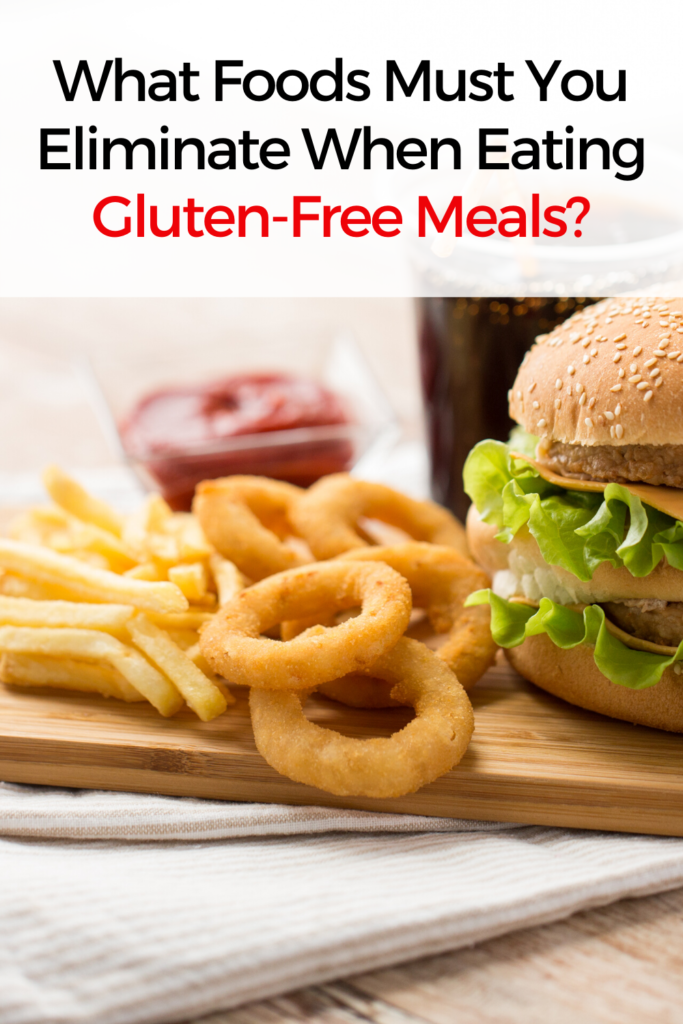
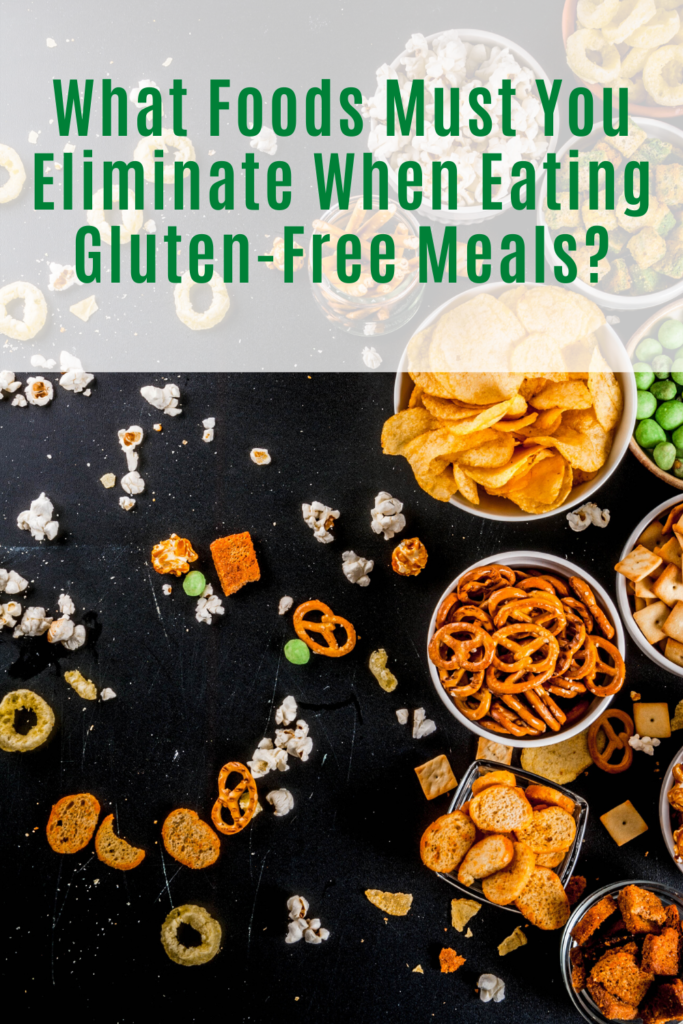
  • What Foods Must You Eliminate When Eating Gluten-Free Meals?

    What Foods Must You Eliminate When Eating Gluten-Free Meals?

    When you decide to go gluten-free, one of the largest challenges you’ll face is knowing what foods to eat and what to avoid. Gluten (wheat) can be found in foods you would never guess contain it and when your body is gluten intolerant and unable to properly digest the gluten protein, you’ll have issues.

    If you are gluten intolerant person and you consume gluten, you are likely to have a variety of related health issues like bloating, headaches, skin problems(rash, eczema), feel lethargic, have abdominal pain, suffer from digestive problems and so on.

    People suffering from celiac disease may suffer very dangerous consequences from even the smallest amount of gluten.

    This is why it is critical to know the foods to avoid eating and since gluten can sneak into foods that you wouldn’t normally expect to have gluten in it, it’s important you know what foods to eat and what to eat and you always read labels and remain vigilant.

    One common example of a food item that can wreak havoc is soy sauce that’s made and fermented with wheat. If you were not aware that typical soy sauce has wheat in it, and you used it while cooking or eating a meal, you’d could potentially experience the uncomfortable physical side effects of a gluten intolerance or gluten/wheat sensitivity.

    That being said, let’s take a look at a sample list of foods you might want to to avoid eating or using in your cooking.

    • barley
    • barley malt
    • bulgur
    • chicken broth
    • condiments
    • couscous
    • cracked wheat
    • durum
    • einkorn
    • emmer
    • farina
    • faro
    • gliadin
    • graham flour
    • malt vinegar
    • matzo
    • rye
    • seasonings
    • seitan
    • semolina
    • soba noodles
    • some salad dressings
    • soy sauce
    • spelt
    • vegan burgers
    • wheat bran
    • wheat germ
    • wheat starch

    This is only a small sample of food containing gluten. Ketchup is a big one that is not listed above but requires reading the label. This list is merely a place to start and this article would be pages long if I tried to include everything. Simply put, you must become a label reader and get good at it.

    Obviously, foods such as bread, pasta, etc. that are typical made with wheat can no longer be a part of your diet. Fortunately, there are a variety of gluten-free substitutes you can find in the grocery store. Or, simply avoid breads, breading, cookies, muffins, pastries, cakes and pasta.

    You also need to know that reading labels isn’t always so simple. Wheat flour can have many different names depending on how it has been milled or processed. If you happen to see flour that’s name “self-rising flour”, Farina, Graham flour, enriched flour or Semolina… you will want to avoid all of those because they contain gluten.

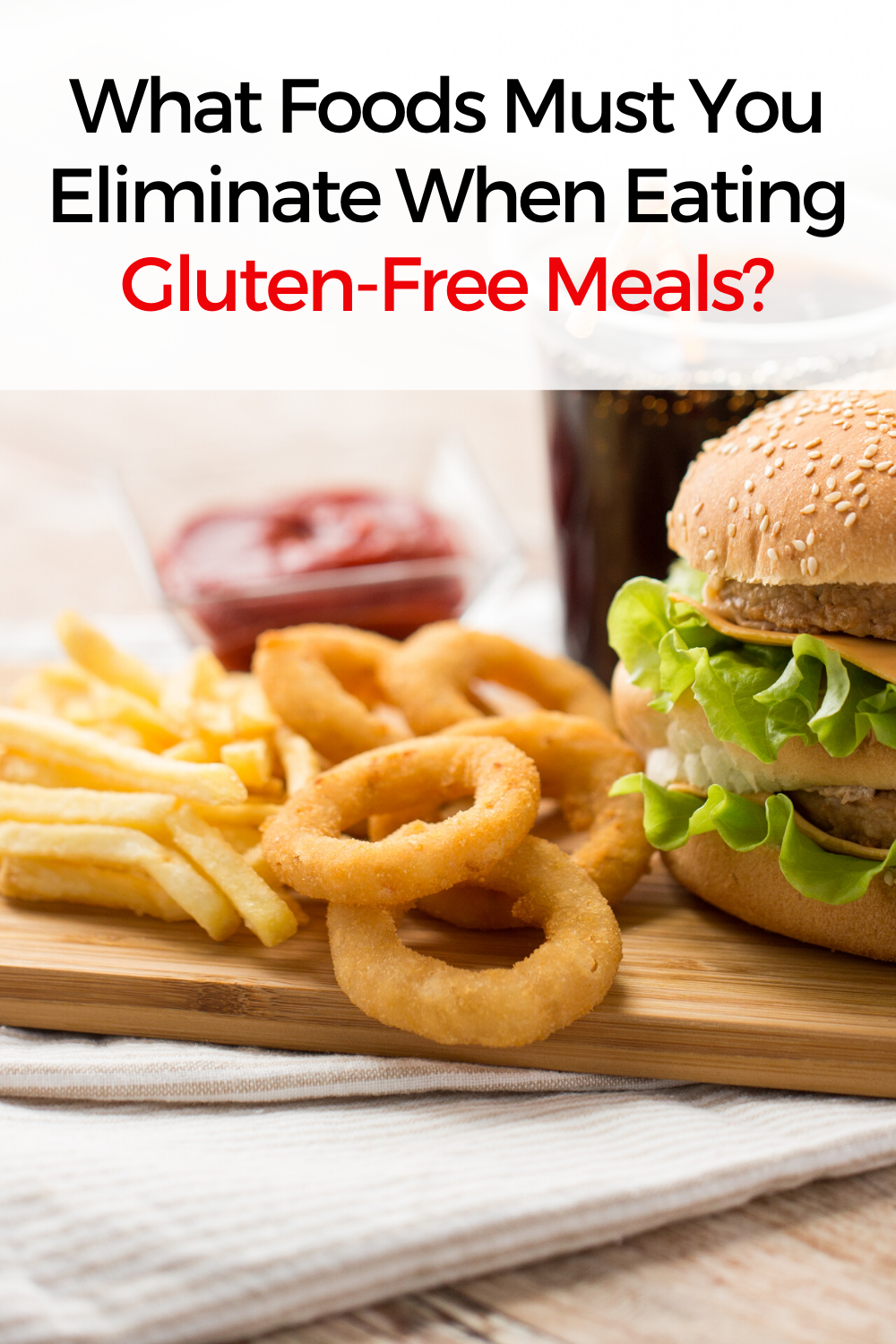
    Some of the more commonly eaten foods that have gluten are things like: cereals, desserts, salad dressing, biscuits, cookies, French fries, pasta, beer, cake, sauces, potato chips and even processed meats like spam and hot dogs. As you can see, the list can be endless and you must be diligent.

    Most often, the starch that’s required to bind together the ingredients of food, or to create some thickness in sauces, etc. contains gluten. Gluten is present in so much of our food because of the elastic nature of gluten that food manufacturing companies find useful.

    In my opinion, the easiest, and perhaps best way to succeed with a gluten-free diet is to cook for yourself. Yes, this can be a chore every day, but it’s honestly the best way to manage what gets in your food. I have gotten much better at just saying “no” to other peoples cooking. It’s way easier to say no then to ask a million questions about what ingredients were used, eat something only to find out they put soy sauce in and didn’t tell you.

    One simple way to manage a new eating plan is to plan ahead. Many people who find themselves on a on a gluten-free diet decide to cook all their meals on a specific day of the week, like Sunday. They then simply store the meals all week in the refrigerator and eat as needed with very little effort.

    When I first went gluten-free, I avoided allergy issues by sticking with fresh fruits and veggies. I ate a lot of salad with gluten-free dressing.

    For me, this was easier, required less time and meant less chance of being “glutened”. In a perfect world, our diets should be made of up mostly of wholesome and nutritious foods in their natural form giving us the best nutrients for our bodies needs.

    It goes without saying, it’s easy to suffer from deficiencies in needed nutrients if you aren’t careful so avoid cutting out too many foods that are healthy for you. You can use supplements in the form of multivitamins, etc to help avoid deficiency or correct a problem if something is lacking in your diet.

    In my opinion, you’ll do just find if you can stick to lean meat, eggs, fruit, vegetables and healthy fats. If you happen to be Vegan, or allergic to eggs, etc. be sure to explore ways to get all the nutrients you need through your food choices and nutritional supplements.

    Keep a close watch on the ingredients of any packaged food or meals, and as much as possible, prepare your meals at home for the first couple of months as you get familiar with how to avoid gluten.

    It’s only a matter of time before you’ll be able to whip up a tasty and healthy, gluten-free meal for you and your family.

    I hope you’ve found value in this article. If you have questions, be sure to contact me. Otherwise, stay tune for my next article about living Gluten-Free. If you’ve found a successful way to avoid gluten, share it in the comments below.

  • Pain In Your Joints? Types Of Arthritis And How To Treat It

    Pain In Your Joints? Types Of Arthritis And How To Treat It

    The word arthritis in Greek means “disorder of the joints” and it’s a natural occurrence that occurs due to a number of reasons. Arthritis is a chronic disease characterized by inflammation of the joints and osteoarthritis is a very common form of the disease. The most common types of arthritis are gouty arthritis, rheumatoid arthritis, osteoarthritis, and juvenile rheumatoid arthritis.

    Arthritis begins when the cartilage of the joint is damaged and then unable to heal itself properly. If this happens repeatedly, it may lead to a bone disease known as osteoarthritis. It is believed that around twenty percent of Americans suffer from arthritis. Although arthritis is an internal disease, it may develop very much externally causing pain to the patient.

    There are many different types of arthritis. They include the following:

    o Osteoarthritis. This is the most common type of arthritis in adults with a high incidence of occurring in those over sixty.

    o Gouty arthritis. Gouty arthritis is also a very common form of arthritis but is very much caused by an elevated level of uric acid levels in the body. However, some doctors believe that gouty arthritis can be caused by nutritional deficiencies.

    o Rheumatoid arthritis. Rheumatoid arthritis occurs when the immune system attacks the body’s joints. This type of arthritis is usually caused by several factors. It is a very common problem in older people.

    Juvenile rheumatoid arthritis is a very common type of arthritis in children. Normally it only causes irritation to the skin on the knees and elbows.

    Arthritis of the spine is a very common type of arthritis. It is a very serious condition that results from the degeneration of the joints in the spine.

    Most patients experience some pain after their initial treatment but it is usually temporary. Once the treatment has been completed, the pain usually subsides within a few weeks.

    It is always recommended that you talk to your doctor before taking any kind of medication for the condition. Most patients find that they experience some side effects. Some of the common side effects include dry mouth, tooth sensitivity, earaches, bad breath, muscle weakness, kidney stones, rash, and stomach aches.