Tag: gluten-free

  • Special Considerations Before Preparing Gluten-Free Dishes

    Special Considerations Before Preparing Gluten-Free Dishes

    Going gluten-free isn’t quite as simple as just avoiding foods that contain gluten. Unlike other diets that have rules such as not consuming too much carbs or eating more fat, the gluten-free diet requires you to completely eliminate all gluten from your diet. Failing to carefully do this could be a matter of life or death to many.

    Special Considerations Before Preparing Gluten-Free Dishes

    There are definitely some special considerations to consider whether eating out or preparing meals at home.

    For people suffering from celiac disease, this is a very important issue. Making mistakes can lead to major health issues which could be very dangerous. There are some unique challenges when eating out, cooking for the family, or simply deciding what to eat when you must be gluten-free.

    Here’s an example: I ate out with friends last week. I scoured the menu looking for the gluten free options. I found one with teriyaki sauce but didn’t think to ask if the sauce was in fact gluten free. I reacted an hour or so later and can only suspect that teriyaki cause. I was so focused on making sure the bun(bread) was gluten-free, I failed to pay attention to seasonings, etc.

    Since most people on a gluten-free diet will usually cook for themselves, they’ll need to take a few special considerations into account. In this article, you’ll find a few pointers that are easy to overlook. I know there are some I never even considered in my own household.

    Special Considerations Before Preparing Gluten-Free Dishes


    Be sure to memorize these or better yet, print out the list and stick it on your refrigerator door so that you’re always vigilant. The following pointers are not all inclusive but are likely some you never even considered:

    • Throw away your old breadboards and chopping boards
      If you’re new to the gluten-free diet, throwing away the old boards will ensure that no gluten that’s hidden in the crevices of the board ends up on your food. Sometimes washing the boards repeatedly may not be enough. You’ll need to get new ones.
    • Get new sponges and dishwashing towels
      Old sponges and towels that are used to dry your dishes may contain traces of gluten too. It may be surprising at just how easy it is for your food to get cross-contaminated.
    • Clean out your refrigerator
      If you live alone, this is much easier. You can give your refrigerator a good clean out and throw out all foods containing gluten and set aside the foods that you suspect contain gluten.

      Later, you can check if these suspect foods really are gluten-free or not. Keep those that are and discard those that aren’t.

      If you have family sharing the refrigerator with you, it would be best to get a separate fridge for yourself… or you’ll need to be very careful to keep your ingredients and foods separate from the other foods in the same fridge
    • Your stove, toaster and microwave
      Bits and pieces of food can always be left behind in these appliances. Clean them thoroughly. Ideally, if you have a toaster, it’s best to either toss it out or give it away to someone else. Crumbs in the toaster oven are really difficult to get rid of completely and it’s easier to get a new one for your gluten-free bread.

      Basically, you want to remove ALL traces of gluten in these areas before preparing any meals.
    • Sinks, cupboards and countertops
      Every single area where food is prepared, stored on displayed should be cleaned. Vacuum all crumbs and wipe down the areas with a wet cloth.
    • Throw out ALL foods containing gluten
      Once again, this is easier if you live alone. By not having any foods containing gluten in your house, not only will cross-contamination be much less likely to occur, but you’ll also not accidentally eat what you’re not supposed to.

      This has been a huge challenge for me with a teen living in my house. My daughter can eat just about anything she likes and many of my kitchen surfaces are shared. Diligence is a must here.

      It will be a massive chore to do all that’s stated in this article… and you’ve not even started cooking yet. However, you only need to do it once to get your gluten-free diet off to a clean and new start. After that, it’ll be smooth sailing all the way, relatively.
    Special Considerations Before Preparing Gluten-Free Dishes

    I hope you found this article helpful in your quest to go gluten-free. Leave a comment below with your #1 tip. You can also contact me if you have questions or comments.

  • 5 Challenges of Adopting a Gluten-Free Diet

    5 Challenges of Adopting a Gluten-Free Diet

    Like anything else you do in life, when you start something new, you will face challenges. That even applies to adopting a gluten-free diet. Perhaps you are starting the diet because you’re gluten intolerant or wheat sensitive, or maybe you’re just trying to live a healthier life and even lose weight.

    Whatever the case may be, you’ll encounter one or several of the challenges listed below. Knowing what they are will help you be aware of them when they arise, and you’ll know how to overcome them.

    5 Challenges of Adopting a Gluten-Free Diet
    1. Adopting the diet into your lifestyle
      Just like any diet you start, there is going to be a transition phase where you need to grit your teeth and have self-discipline and just get through it. If it’s the Keto diet or any low carb diet, you’ll need to drastically cut your carbs. If it’s the paleo diet, several foods such as sugar and refined oil are no-nos.

      With the gluten-free diet, you’ll need to avoid foods containing gluten. Just knowing what these foods are will be half the battle. You will need to do your research and understand which common foods you are consuming may contain gluten. Ketchup for example or even soy sauce.

      Initially, you may find it difficult to give up several of the foods that you’re accustomed to eating such as burgers (because the buns contain gluten) and ice-cream, cakes, cookies, and donuts etc. If you want to keep eating these things, you will need to find gluten-free substitutes to eat and that can be somewhat difficult. This period alone is somewhat inevitable and can be challenging.
    2. Nutrition deficiencies
      When people give up too many foods during a diet, especially so many things containing gluten, nutrition deficiencies can come up. While avoiding gluten in their diet, they also inadvertently do not get various vitamins and minerals the body needs.

      The best way to get around this problem is to get a multivitamin that contains a variety of vitamins such as vitamin A, vitamin D, iron, fiber, etc. The supplements will have to pick up the slack created by the eliminate of foods in the diet.
    3. The risk of cross-contamination
      If you’re the only gluten-sensitive person in the house, the rest of your family members may not be on a gluten-free diet and eating things you can not eat. That will mean the risk of cross-contamination is higher in your household.

      For example, if your spouse uses the bread knife to spread the butter on her bread, she may unknowingly leave minute crumbs on the butter. If you use the same butter on your gluten-free toast, the crumbs that contain gluten will enter your system and you’ll feel the effects later.

      So, having separate utensils, cookware, and even special meal preparation areas may be necessary. It goes without saying that all of this precautions requires extra effort and it can be challenging at times to have to make special arrangements just to maintain a gluten-free diet around people who can eat anything they want.
    4. Gluten sneaks into the diet
      In case you didn’t now, Gluten doesn’t only appear in foods. It’s a very common and highly versatile ingredient. Because of its viscoelastic nature, it is often found in a wide variety of other things. For example, lick a stamp to use it on a letter? Guess what? The adhesive side may contain gluten. Most people have no idea gluten shows up this way.

      Using lipstick? It may contain gluten too. Since it sneaks into many products, being extra vigilant is imperative so that you can ascertain where the gluten is coming from. Even shampoo and conditioner can have gluten unless you specifically use something that is gluten-free.
    5. Eating out is a hassle:
      When you must avoid gluten in your food, it becomes quite difficult to eat out because in most cases, you are not in control of the food preparation or the ingredients that go into the food.

      Sure, you can give the chef special instructions, and ask many questions about ingredients but sadly, cross contamination can occur.

      In some cases, the restaurant may not even be able to prepare dishes according to your requirements because they don’t have room to have a dedicated area to gluten-free meals preparation.

      So, you may find yourself limited in the places you can find gluten-free meals. If you’ve been through this, you know how this can put a damper on eating out with friends. It can be quite difficult. You either don’t eat much, ask a million questions, or you take a chance you get glutened.
    5 Challenges of Adopting a Gluten-Free Diet

    Sadly the challenges listed above are very real, quite common and encounters those who must eat the gluten-free diet must live with daily. Depending on your reasons for choosing to follow this particular diet, it may be crucial to your health you be 100% gluten-free. Or perhaps, you are one of those who can be more flexible every now and then if you’re not severely gluten sensitive.

    If you must adhere to a diet free of gluten, try to maintain a positive attitude and accept this new way of life and lifestyle. Once you get familiar with foods and products you must avoid, you’ll find it easier to avoid the foods you can’t eat and find things that satisfy your appetite.

    5 Challenges of Adopting a Gluten-Free Diet

    I you have enjoyed this article, leave us a comment below. You can also contact me with any questions or comments you may have.

  • What Health Issues Might You Experience If You’re Gluten Intolerant?

    What Health Issues Might You Experience If You’re Gluten Intolerant?

    Are there health issues you might experience if you are gluten intolerant? One specific illness called celiac disease is one adverse immune reaction that occurs in a person’s body when they consume foods that contain gluten. This gluten is a protein that’s found in foods like wheat, rye and barley.

    If you happen to have celiac disease, there are several health issues (symptoms) that can arise if you eat foods you should not eat. While not everyone is affected by celiac disease, you can still be gluten intolerant without being diagnosed as celiac. This basically means that you will experience similar symptoms, but perhaps just not as severe.

    Sadly, statistics are showing that more and more people are becoming intolerant to gluten and the problem is growing. Some studies show this increase could be due to the increased common use of genetically modified wheat in so many of the foods we eat today. Honestly, the jury is still out on this theory, and it depends on who you talk to, but what really matters is that you are aware of potential issues and recognize the different symptoms and know how they affect you and your health.

    Since many of the symptoms you might feel resemble other normal issues, it’s easy to overlook the symptoms that you may experience every now and then.

    Another common misconception is that gluten only affects your digestive system when in reality, many people experience a variety of symptoms like skin rashes, eczema, and headaches. Many times, these symptoms are a result of gluten intolerance. In the rest of this article, we’ll look at some of the issues that come up.

    Gluten Intolerant?
    • Digestive issues
      This issues is probably the most commonly experienced and most obvious. When you eat something your body doesn’t tolerate, you’ll have symptoms. For many who are gluten intolerant they may experience things like being bloated, they might be gassy or even experience abdominal cramps. Many times, even diarrhea is a common and uncomfortable problem.

      On the surface, the symptoms mentioned here might seem fairly harmless and just create discomfort for you. Unfortunately, there could be more serious issues happening like inflammation of the lower intestine and it not functioning properly.

      When a body is inflamed and not working properly, you are not able to absorb the nutrients from food your body needs. Besides that, a persons stools may become looser creating an urgent need to use the bathroom several times a day to empty the bowels. If this happens too much, it becomes an issue with staying hydrated from the loss of fluids on a daily basis.

      This particular symptom really depends on how a persons body is reacting to the gluten. Some may have just the digestive issues, in other cases, the sufferer may experience acid reflux and heartburn.

    • Mental problems and nerve issues
      As if digestive issues weren’t enough, some people experience headaches, fogginess and even numbness in extremities and these can be symptom of celiac disease. The headaches can be strong and recur often. Believe it or not, eliminating gluten from the diet can be one of the best ways to get rid of the headaches.

      As for numbness and tingling in the hands and feet. It’s hard to imagine this could be related to what you eat (gluten) but if you seek to have some improvement, you’ll need to eliminate gluten from your diet for these symptoms too.

      Sidenote: If you are experiencing numbness and tingling in your hands and feet, it’s best to speak to your doctor soon because it could be a sign of other health issues. Getting your doctors professional medical opinion is highly recommended.

    • Skin, hair and other problems
      This was my first sign that let me know I had to avoid gluten in my diet. Keratosis pilaris, dermatitis herpetiformis and rashes are all linked to gluten intolerance. The rashes are most often found on joints like elbows and even the back of the knee. Eczema and rashes might even show up on your scalp, forearms and back too.

      If you are experiencing rashes, they may come and go depending on what you eat, but if you want them to disappear permanently, you’ll need to get on a gluten-free diet and stick to it.

      For me personally, I can tell almost immediately that I’ve eaten something with gluten. My scalp starts itching, my skin itches, and I get a burning rash behind my ears – yep, behind my ears.

      Here’s something I did NOT know. Besides skin problems, gluten intolerance can lead to hair loss too. And as if everything I have already mentioned is NOT enough, you can experience joint pain, mouth ulcers, fatigues, memory problems, bruising, and so much more. These are all symptoms of Celiac disease.

      Besides the complications of celiac disease, you are also at risk for heart disease, cancer, lung problems and even infertility is affected when you’re gluten intolerant but you keep eating it.
    What Health Issues Might You Experience If You're Gluten Intolerant?

    By now I hope you’ve realized that gluten intolerance is one of those health issues that seems harmless on the surface to some people and only has uncomfortable symptoms… but if you don’t stop it in its tracks and keep ingesting gluten, it can lead to severe and debilitating, dangerous health problems. Is something you eat really worth that in the long run?

    Look, I’m preaching to the choir. I am guilty of continuing to eat things I know I shouldn’t all because I crave it only to wake up the next day wondering why I didn’t just say no. I’m still working on it.

    I am not celiac, but if you are diagnosed with celiac disease or you’re non-celiac gluten intolerant like me, please consider taking immediate steps to just eliminate gluten from your diet. You’ll protect your health, hopefully undo some damage, and you will just feel so much better.

    What Health Issues Might You Experience If You're Gluten Intolerant?

    If you have enjoyed this article, let me know in the comments. I’d love to hear if you have issues with gluten. Questions, please feel free to contact me.

  • Discover Several Ways Gluten Shows Up In Foods You Eat

    Discover Several Ways Gluten Shows Up In Foods You Eat

    There are many ways gluten can sneak into many of the foods we eat.

    Discover Several Ways Gluten Shows Up In Foods You Eat

    One of the first steps to being gluten-free is knowing exactly what foods contain gluten and what foods don’t. Unlike conventional diets that simple require you to adjust your calorie or nutrient intake, the gluten-free diet requires you to do one very important thing – eliminate ALL foods that contain gluten.


    So what this basically means is that you aren’t going be able to consume most processed foods. Many processed food contain gluten so by avoiding processed foods, you can better prevent your body from getting inflamed and triggered by the gluten. This is basically good news since eating processed food isn’t the healthiest option anyways.

    That being said, despite your best efforts, you may end up inadvertently consuming some gluten in the foods you eat. Especially if you eat out, or eat foods prepared by others. Eating something containing gluten could be due to carelessness (you choose to eat something knowing you shouldn’t) or because you are not even aware that gluten is present in the food you are eating.

    I for one often eat things knowing I shouldn’t because I miss being able to eat anything I want. I know I’ll pay a price and I make a split second decision to suffer the consequences. (and I do)

    Discover Several Ways Gluten Shows Up In Foods You Eat


    The following are just a few of the most common reasons you may consume gluten and not even know it:

    • Cross-contamination of foods
      Cross-contamination happens when small particles of food containing gluten end up in your meal without you realizing it. This can happen a lot in restaurant kitchens that offer gluten-free options but don’t have a separate work area. For example, if you use the same bread board to slice your gluten-free bread as your family members who use it to slice their wheat bread, the crumbs will end up on your slice and you end up eating small bits of gluten.

      This may seem insignificant that something so miniscule and insignificant as a crumb, but the contamination of crumbs are enough to cause a reaction and still inflame your small intestine and cause issues.
    • Not understanding food labels
      This is another very common area where people (myself included) slip up and end up eating something they shouldn’t. Gluten is found in a variety of ingredients: flours, seasonings, additives, etc. If you are looking at labels and only avoiding one type of flour but fail to realize that other types of flours and ingredients contain gluten, you may be eating a lot more gluten than you should and end up suffering for it.

      Having a thorough knowledge of your gluten-free options is going to be the most helpful when making every day food choices. For example, here are some good gluten-free alternatives to regular flour: buckwheat, amaranth, brown and white rice, millet, quinoa, sorghum.

      Most vegetables and meats are gluten-free so eating more fruits and vegetables is a good option… BUT remember, how the dish is prepared definitely matters. For example, if you are at a Chinese restaurant and order stir-fried beef, the beef itself is gluten-free and so is the refined oil they use. However, when they flavor the dish with a dash of soy sauce, you are going to have problems. Soy sauce contains gluten unless you specifically choose a brand that is made gluten-free.

      Seasonings like soy sauce is just one of the many ways that gluten can sneak into your dishes. Packaged spices can be a problem too, as well as BBQ sauce, ketchup, even mustard.

      Here is something you may not know. The same principal applies to dairy products. Milk is gluten-free but when food manufacturers try to convert it into yogurt or cheese, chances are gluten is being used in the process because it is a great thickening agent.

      Needless to say, it is extremely important you study the labels of foods very carefully. If in doubt about whether it is safe or not, just don’t consume it and pick something more natural or with fewer ingredients.
    • Eating out
      As I mentioned above, when you are eating out, or eating foods prepared by others, you don’t really know what’s in the food. You will be in better control of what goes into your meals and what doesn’t when you are making your meals at home yourself. You know what happens if you eat gluten so chances are, you will take extra precautions to prevent cross-contamination and so on.

      When you eat out, you don’t always know all the ingredients being put into your food, but you can’t be sure the cooking process and requirements for truly gluten-free foods.

      Since most restaurants have to cater to a wide variety of customers, it’s highly likely they don’t have special areas and chopping boards set aside just to prepare foods for a small group of gluten intolerant customers who choose to dine there. Truth is, most places have no clue about cross-contamination and the havoc it can wreak.

      Sadly, there are risks you must take when eating out. Unless you are at a restaurant where you are able to give the chef specific instructions and you know for sure that the they are careful about cross contamination, you run the risk of ingesting some gluten.

      True Story: I was offered a bowl of chicken and rice at a friends house and I asked about the ingredients, explaining I had a wheat sensitivity. They told me about the main ingredients: Chicken, onions, carrots, rice and when I asked about the seasoning, they failed to tell me about the Soy Sauce. I paid the price for days.

      To Conclude: now that you have more knowledge about the various ways gluten can sneak into your food, you can be more careful and prepare yourself in advance. While a gluten-free diet doesn’t have to mean a massive overhaul of your current diet,(depending on what you eat) it does require a lot of extra effort and attention if you want to feel your best and stay healthy.

      Remember the effort is worth it as you are keeping your body safe and helping it to heal.

      I’d love to read your comments so leave one below, or, Contact me if you have questions.
    Discover Several Ways Gluten Shows Up In Foods You Eat

  • When on a Gluten-Free Diet, Is Breakfast Essential?

    When on a Gluten-Free Diet, Is Breakfast Essential?

    Deciding what to eat for breakfast is one of the biggest challenges people on a gluten-free diet face daily. Most of us were raised eating toast, cereal, pastries, etc. for breakfast. When you’re on a gluten-free diet, you’ll find you have to give up most of the childhood breakfast items you grew up on.

    At one point in my life, I was eating steel cut oats daily until that seemed to cause me problems as well.

    Gluten-Free Diet

    If you find that yourself craving bread, you know have to find a way to eat gluten-free bread, cookies, pastries, etc, instead. Besides the hassle of having to find gluten-free bread, you are also going to pay a lot more for it as well.

    As for me, I just gave it up and switched to eating Chia Pudding instead. Doesn’t always satisfy the cravings but eliminates the physical reactions to things I shouldn’t eat.

    There are many other types of nutritious things you can eat for breakfast, like quinoa or even a chicken leg if you want but this article presents another alternative you might not have considered – just skip breakfast altogether.

    Gasp – Yes, you read that right and if you are like me, you gasped out loud because the thought of NOT eating breakfast is unimaginable. Never mind the fact that we’ve been told for years that breakfast is the “most important meal of the day.”

    Gluten-Free Diet

    Here’s something to consider: your body can function just as well without breakfast. In fact, it just might be better if you do skip breakfast. Here’s why. When you skip breakfast, your body will be in a state of fasting for a longer period of time. Breakfast, after all, means to break the fast. If you typically sleep for 7-8 hours and skip breakfast, your first meal may be at 11am or noon.

    There are studies showing that “intermediate fasting” is actually a good way to optimally run your body and your metabolism. If you are looking to get rid of weight, this is one way to do that.

    The thinking goes like this: During a set period of time during the night while you sleep, your body is in a fast and burns fat stores for fuel. The intermittent fasting concept of fasting for about 16 hours a day is one of the best healthy habits that you could chose for your health.

    I have tried this in the past and it works like this. I pick an 8 hour period during the day that I will eat my meals. I found it difficult to not eat in the morning so I picked the time frame of 9am to 5pm. I can eat ONLY during that time frame and fast during the rest of the time.

    Many people have even more success with making the eating window smaller and fasting for more hours. You’d have to test this to see what works best for you.

    Let’s be honest, obesity has reached epidemic proportions in the US right now. Many people are hoping to change their health and intermittent fasting not only helps shed unwanted pounds, but it appears to come with an abundance of other health benefits too.

    Choosing to fast helps reduce insulin resistance, makes your cells function more optimally, can help prevent cancer, improves blood health, and even more benefits.

    Even better, if you happen to be on a gluten-free diet, you won’t have to constantly be trying to figure out what to eat for breakfast besides meat, fruit or vegetables. You can choose to skip breakfast completely and reap the benefits too.

    Obviously, if you are not used to eating like this, it’s going to take some time to get used to this way of life. Probably about 2 weeks to get into the habit of living this way. For optimal results, you should be aiming for a 16-hour fasting window daily.

    I know when I tried it, I had to adjust my meal time window on occasion if I had a meeting to go to, or a function to attend.

    Depending on what kind of schedule you have, adjusting may mean having your first meal at 12pm and your last meal for the day might be before 8pm. If you are living a “normal” day shift schedule, you might want to be sure your last meal is at least 2-3 hours before you go to bed. 8pm was too late for me as I hit the hay at 10pm.

    You will need to play around with the timing a little bit to see what works best for you and your lifestyle. As long as you’re fasting for 16 hours, you’ll be good to go. For the high achievers out there, if you can fast for 18 to 20 hours and have a shorter eating window, you can potentially accelerate your weight loss efforts even more (assuming you want to lose weight)

    When you first start something like this, it’s going to see a little unusual to skip breakfast completely, but if you research for yourself, you are going to see how powerful intermittent fasting really is.

    If you must have something to eat in the morning, you may consume something called “bulletproof coffee.” Bulletproof coffee is made by simply mixing some ghee and coconut oil into your morning coffee. It’s supposed to keep you feeling full for hours and help you get by until lunch time.

    When doing the intermittent fasting, you not only consume less carbohydrates, you might find it a lot easier to follow a gluten-free diet.

    I encourage you to give this a try. As always, consult with your physician first before taking on any new eating plan. If you do give it a try, I’d love to hear how it goes for you.

    Leave a comment below if you’ve tried it, OR, if you’ve found a good alternative for breakfast when eating gluten-free.

    Gluten-Free Diet

    Have questions or comments, you can Contact me as well.

  • What Foods Must You Eliminate When Eating Gluten-Free Meals?

    What Foods Must You Eliminate When Eating Gluten-Free Meals?

    When you decide to go gluten-free, one of the largest challenges you’ll face is knowing what foods to eat and what to avoid. Gluten (wheat) can be found in foods you would never guess contain it and when your body is gluten intolerant and unable to properly digest the gluten protein, you’ll have issues.

    If you are gluten intolerant person and you consume gluten, you are likely to have a variety of related health issues like bloating, headaches, skin problems(rash, eczema), feel lethargic, have abdominal pain, suffer from digestive problems and so on.

    People suffering from celiac disease may suffer very dangerous consequences from even the smallest amount of gluten.

    This is why it is critical to know the foods to avoid eating and since gluten can sneak into foods that you wouldn’t normally expect to have gluten in it, it’s important you know what foods to eat and what to eat and you always read labels and remain vigilant.

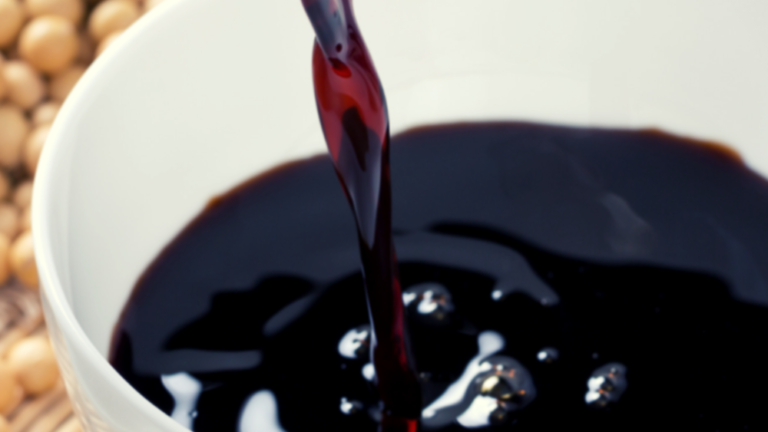
    One common example of a food item that can wreak havoc is soy sauce that’s made and fermented with wheat. If you were not aware that typical soy sauce has wheat in it, and you used it while cooking or eating a meal, you’d could potentially experience the uncomfortable physical side effects of a gluten intolerance or gluten/wheat sensitivity.

    That being said, let’s take a look at a sample list of foods you might want to to avoid eating or using in your cooking.

    • barley
    • barley malt
    • bulgur
    • chicken broth
    • condiments
    • couscous
    • cracked wheat
    • durum
    • einkorn
    • emmer
    • farina
    • faro
    • gliadin
    • graham flour
    • malt vinegar
    • matzo
    • rye
    • seasonings
    • seitan
    • semolina
    • soba noodles
    • some salad dressings
    • soy sauce
    • spelt
    • vegan burgers
    • wheat bran
    • wheat germ
    • wheat starch

    This is only a small sample of food containing gluten. Ketchup is a big one that is not listed above but requires reading the label. This list is merely a place to start and this article would be pages long if I tried to include everything. Simply put, you must become a label reader and get good at it.

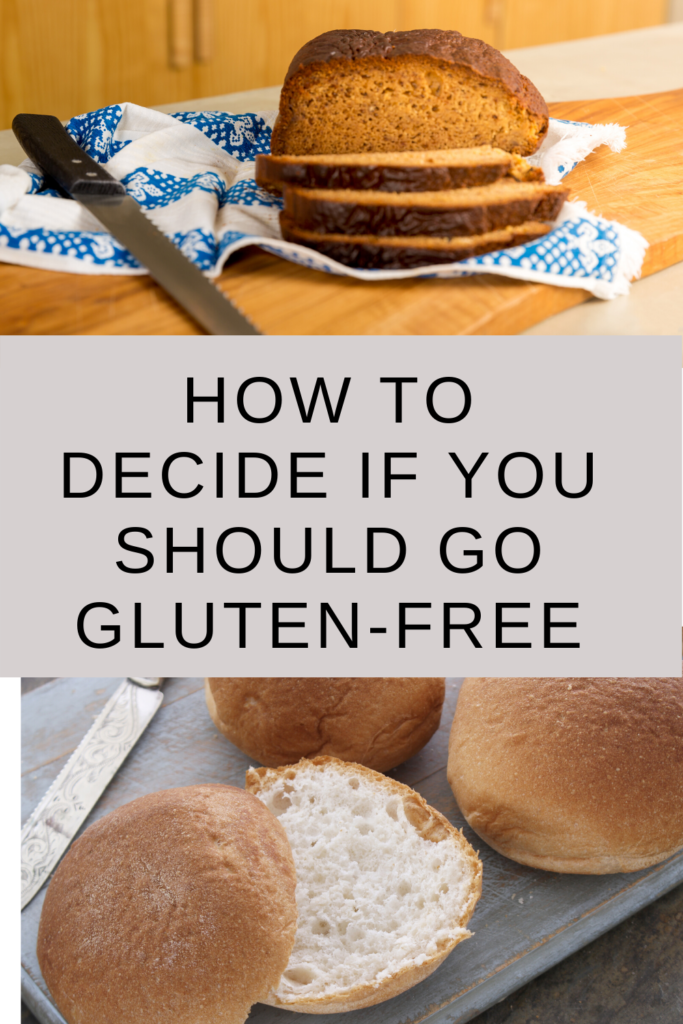
    Obviously, foods such as bread, pasta, etc. that are typical made with wheat can no longer be a part of your diet. Fortunately, there are a variety of gluten-free substitutes you can find in the grocery store. Or, simply avoid breads, breading, cookies, muffins, pastries, cakes and pasta.

    You also need to know that reading labels isn’t always so simple. Wheat flour can have many different names depending on how it has been milled or processed. If you happen to see flour that’s name “self-rising flour”, Farina, Graham flour, enriched flour or Semolina… you will want to avoid all of those because they contain gluten.

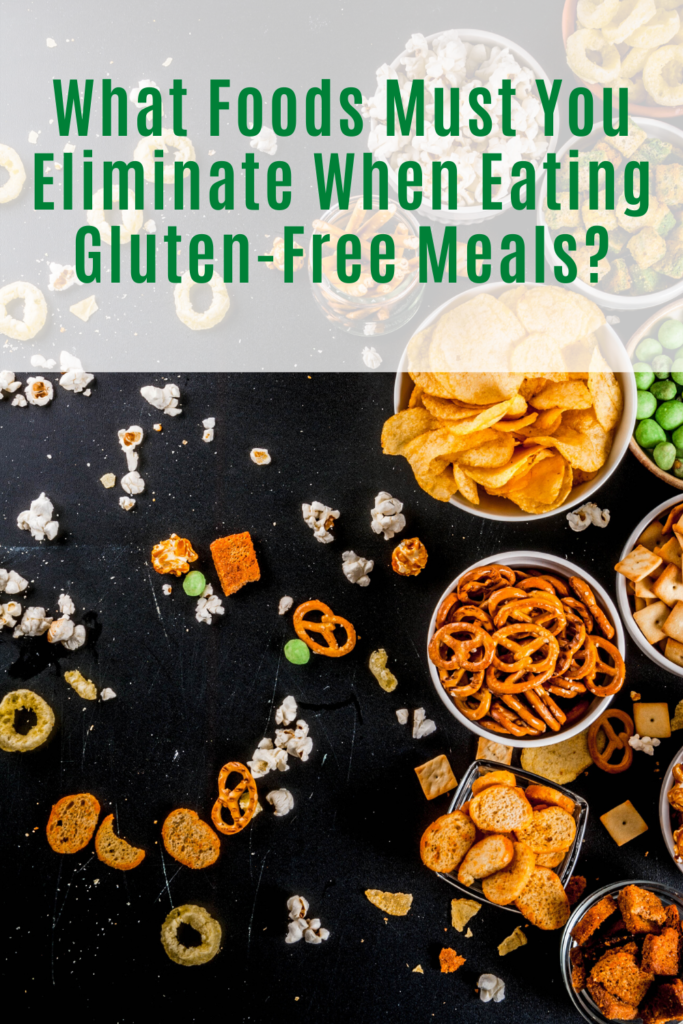
    Some of the more commonly eaten foods that have gluten are things like: cereals, desserts, salad dressing, biscuits, cookies, French fries, pasta, beer, cake, sauces, potato chips and even processed meats like spam and hot dogs. As you can see, the list can be endless and you must be diligent.

    Most often, the starch that’s required to bind together the ingredients of food, or to create some thickness in sauces, etc. contains gluten. Gluten is present in so much of our food because of the elastic nature of gluten that food manufacturing companies find useful.

    In my opinion, the easiest, and perhaps best way to succeed with a gluten-free diet is to cook for yourself. Yes, this can be a chore every day, but it’s honestly the best way to manage what gets in your food. I have gotten much better at just saying “no” to other peoples cooking. It’s way easier to say no then to ask a million questions about what ingredients were used, eat something only to find out they put soy sauce in and didn’t tell you.

    One simple way to manage a new eating plan is to plan ahead. Many people who find themselves on a on a gluten-free diet decide to cook all their meals on a specific day of the week, like Sunday. They then simply store the meals all week in the refrigerator and eat as needed with very little effort.

    When I first went gluten-free, I avoided allergy issues by sticking with fresh fruits and veggies. I ate a lot of salad with gluten-free dressing.

    For me, this was easier, required less time and meant less chance of being “glutened”. In a perfect world, our diets should be made of up mostly of wholesome and nutritious foods in their natural form giving us the best nutrients for our bodies needs.

    It goes without saying, it’s easy to suffer from deficiencies in needed nutrients if you aren’t careful so avoid cutting out too many foods that are healthy for you. You can use supplements in the form of multivitamins, etc to help avoid deficiency or correct a problem if something is lacking in your diet.

    In my opinion, you’ll do just find if you can stick to lean meat, eggs, fruit, vegetables and healthy fats. If you happen to be Vegan, or allergic to eggs, etc. be sure to explore ways to get all the nutrients you need through your food choices and nutritional supplements.

    Keep a close watch on the ingredients of any packaged food or meals, and as much as possible, prepare your meals at home for the first couple of months as you get familiar with how to avoid gluten.

    It’s only a matter of time before you’ll be able to whip up a tasty and healthy, gluten-free meal for you and your family.

    I hope you’ve found value in this article. If you have questions, be sure to contact me. Otherwise, stay tune for my next article about living Gluten-Free. If you’ve found a successful way to avoid gluten, share it in the comments below.

  • How to Decide If You Should Go Gluten-Free

    How to Decide If You Should Go Gluten-Free

    Making a decision to go gluten-free or not is a tricky decision to make and it’s difficult for a reason. In this article, we’ll take a look at a few factors in play, giving you more information so you can decide if going gluten-free is you want to do or should you pass.

    How to Decide If You Should Go Gluten-Free
    • Those people who must go gluten-free?
      If you are someone suffering from celiac disease or you have non-celiac gluten sensitivity causing you problems, then you likely know you have no choice but to adopt a gluten-free diet.

      Your body is having a bad to gluten(or wheat) and is likely causing you all kinds of health problems from abdominal pain to skin rashes and even breathing problems.

      This was my personal experience with going gluten-free. Each time I’d eat something with wheat in it, I’d have bad skin rashes, congestion, and extreme fatigue requiring a lot of naps.
    • Those who want to be part of the latest trend
      If you are fortunate enough to not be gluten sensitive, making the change to a gluten-free diet is not needed and most doctors don’t recommend it. It’s important to not take on a new diet just because it seems to be the latest, coolest trend.

      In recent years, gluten has gotten a bad rap because so many people have decided to just jump on the bandwagon and avoid gluten just to be “cool” and try the latest new thing, or because everyone else is doing it.

      It’s important to understand why gluten is bad for people who can not tolerate it because it actually produces specific health issues. From my own personal experience, it seems that people who can not eat Gluten wish they could.
    • The path to wellness in a Gluten-Free diet
      If a person suffers from Celiac disease, or physically reacts to wheat or gluten, going on a gluten-free diet gives the body a chance to heal. By avoiding a variety of the offending substance, the small intestine has time to heal and recover.

      The body of a gluten-sensitive person physically reacts negatively to gluten which causes health a variety of health issues mentioned above. These are the people who need to cut it out totally so that their bodies are no longer triggered by the gluten. Even the smallest amount can cause problems. It’s not a fun way to live.

      But what if you’re not affected by gluten?
      Then your body doesn’t really need any healing in this area and you are left with only one reason – the benefits of a gluten-free diet.
    How to Decide If You Should Go Gluten-Free

    The biggest benefit of avoiding gluten would be that you cut out a huge chunk of processed foods because many of these foods contain gluten, etc. It just so happens, the moment you do this, you’ll be cutting out a lot of calories and sugar too. This could potentially result in weight loss and you feeling better.

    People often confuse the benefit of weight loss with the benefits of the gluten-free diet. In reality, you can lose weight with the paleo diet too. In fact, most healthy eating plans will recommend you reduce or eliminate the consumption processed foods.

    A gluten-free is not the only way to get rid of extra weight. That being said, some people who switch from normal cookies to eating gluten-free cookies discover they are still eating processed foods, but they’ve just given up the gluten and fiber and end up getting more sodium, sugar, etc. instead.

    What was suppose to be a healthy diet now becomes detrimental to good health. Let’s face it, there are definitely two sides to coin and one must keep that in mind.

    Following a gluten-free diet can cause constipation due to the decrease in dietary fiber through foods being eaten. . To prevent this, make it a point to increase your intake of vegetables and other foods like brown rice, peas, etc.

    Make sure to keep nutrient deficiencies in mind. For example, normal bread contains a lot of enriched vitamins and minerals. While eating lots of bread can lead to weight gain, it is still rich in the nutrients a body needs.

    When cutting bread and other gluten containing foods from the diet, it not only means the exclusion of gluten, but also the exclusion of necessary vitamins and minerals that come from these foods. This could potentially cause a whole new set of problems related to nutritional deficiencies

    If your body ends up low in vital nutrients, you’ll need consider supplementing with a multivitamin or other supplements to make up for the deficit.

    Besides the extra cost now for supplements, it might not be worth all the effort if you aren’t actually gluten intolerant and just following this way of life to lose extra pounds.

    To recap, If you are in actuality gluten sensitive, then following a gluten-free diet will be beneficial and worth the added effort. If you’re not having physical reactions to gluten, then you are better off finding other healthy eating plans like the keto diet or Mediterranean diet.

    How to Decide If You Should Go Gluten-Free

    I hope you’ve enjoyed this article. Be sure and come back and watch for future articles that help you learn how to navigate a new way of eating when you find it necessary to avoid wheat and gluten.

    Feel free to contact me with any questions or leave a comment below if you’ve enjoyed this article.