Category: Gluten Free

  • Discover Several Ways Gluten Shows Up In Foods You Eat

    Discover Several Ways Gluten Shows Up In Foods You Eat

    There are many ways gluten can sneak into many of the foods we eat.

    Discover Several Ways Gluten Shows Up In Foods You Eat

    One of the first steps to being gluten-free is knowing exactly what foods contain gluten and what foods don’t. Unlike conventional diets that simple require you to adjust your calorie or nutrient intake, the gluten-free diet requires you to do one very important thing – eliminate ALL foods that contain gluten.


    So what this basically means is that you aren’t going be able to consume most processed foods. Many processed food contain gluten so by avoiding processed foods, you can better prevent your body from getting inflamed and triggered by the gluten. This is basically good news since eating processed food isn’t the healthiest option anyways.

    That being said, despite your best efforts, you may end up inadvertently consuming some gluten in the foods you eat. Especially if you eat out, or eat foods prepared by others. Eating something containing gluten could be due to carelessness (you choose to eat something knowing you shouldn’t) or because you are not even aware that gluten is present in the food you are eating.

    I for one often eat things knowing I shouldn’t because I miss being able to eat anything I want. I know I’ll pay a price and I make a split second decision to suffer the consequences. (and I do)

    Discover Several Ways Gluten Shows Up In Foods You Eat


    The following are just a few of the most common reasons you may consume gluten and not even know it:

    • Cross-contamination of foods
      Cross-contamination happens when small particles of food containing gluten end up in your meal without you realizing it. This can happen a lot in restaurant kitchens that offer gluten-free options but don’t have a separate work area. For example, if you use the same bread board to slice your gluten-free bread as your family members who use it to slice their wheat bread, the crumbs will end up on your slice and you end up eating small bits of gluten.

      This may seem insignificant that something so miniscule and insignificant as a crumb, but the contamination of crumbs are enough to cause a reaction and still inflame your small intestine and cause issues.
    • Not understanding food labels
      This is another very common area where people (myself included) slip up and end up eating something they shouldn’t. Gluten is found in a variety of ingredients: flours, seasonings, additives, etc. If you are looking at labels and only avoiding one type of flour but fail to realize that other types of flours and ingredients contain gluten, you may be eating a lot more gluten than you should and end up suffering for it.

      Having a thorough knowledge of your gluten-free options is going to be the most helpful when making every day food choices. For example, here are some good gluten-free alternatives to regular flour: buckwheat, amaranth, brown and white rice, millet, quinoa, sorghum.

      Most vegetables and meats are gluten-free so eating more fruits and vegetables is a good option… BUT remember, how the dish is prepared definitely matters. For example, if you are at a Chinese restaurant and order stir-fried beef, the beef itself is gluten-free and so is the refined oil they use. However, when they flavor the dish with a dash of soy sauce, you are going to have problems. Soy sauce contains gluten unless you specifically choose a brand that is made gluten-free.

      Seasonings like soy sauce is just one of the many ways that gluten can sneak into your dishes. Packaged spices can be a problem too, as well as BBQ sauce, ketchup, even mustard.

      Here is something you may not know. The same principal applies to dairy products. Milk is gluten-free but when food manufacturers try to convert it into yogurt or cheese, chances are gluten is being used in the process because it is a great thickening agent.

      Needless to say, it is extremely important you study the labels of foods very carefully. If in doubt about whether it is safe or not, just don’t consume it and pick something more natural or with fewer ingredients.
    • Eating out
      As I mentioned above, when you are eating out, or eating foods prepared by others, you don’t really know what’s in the food. You will be in better control of what goes into your meals and what doesn’t when you are making your meals at home yourself. You know what happens if you eat gluten so chances are, you will take extra precautions to prevent cross-contamination and so on.

      When you eat out, you don’t always know all the ingredients being put into your food, but you can’t be sure the cooking process and requirements for truly gluten-free foods.

      Since most restaurants have to cater to a wide variety of customers, it’s highly likely they don’t have special areas and chopping boards set aside just to prepare foods for a small group of gluten intolerant customers who choose to dine there. Truth is, most places have no clue about cross-contamination and the havoc it can wreak.

      Sadly, there are risks you must take when eating out. Unless you are at a restaurant where you are able to give the chef specific instructions and you know for sure that the they are careful about cross contamination, you run the risk of ingesting some gluten.

      True Story: I was offered a bowl of chicken and rice at a friends house and I asked about the ingredients, explaining I had a wheat sensitivity. They told me about the main ingredients: Chicken, onions, carrots, rice and when I asked about the seasoning, they failed to tell me about the Soy Sauce. I paid the price for days.

      To Conclude: now that you have more knowledge about the various ways gluten can sneak into your food, you can be more careful and prepare yourself in advance. While a gluten-free diet doesn’t have to mean a massive overhaul of your current diet,(depending on what you eat) it does require a lot of extra effort and attention if you want to feel your best and stay healthy.

      Remember the effort is worth it as you are keeping your body safe and helping it to heal.

      I’d love to read your comments so leave one below, or, Contact me if you have questions.
    Discover Several Ways Gluten Shows Up In Foods You Eat

  • When on a Gluten-Free Diet, Is Breakfast Essential?

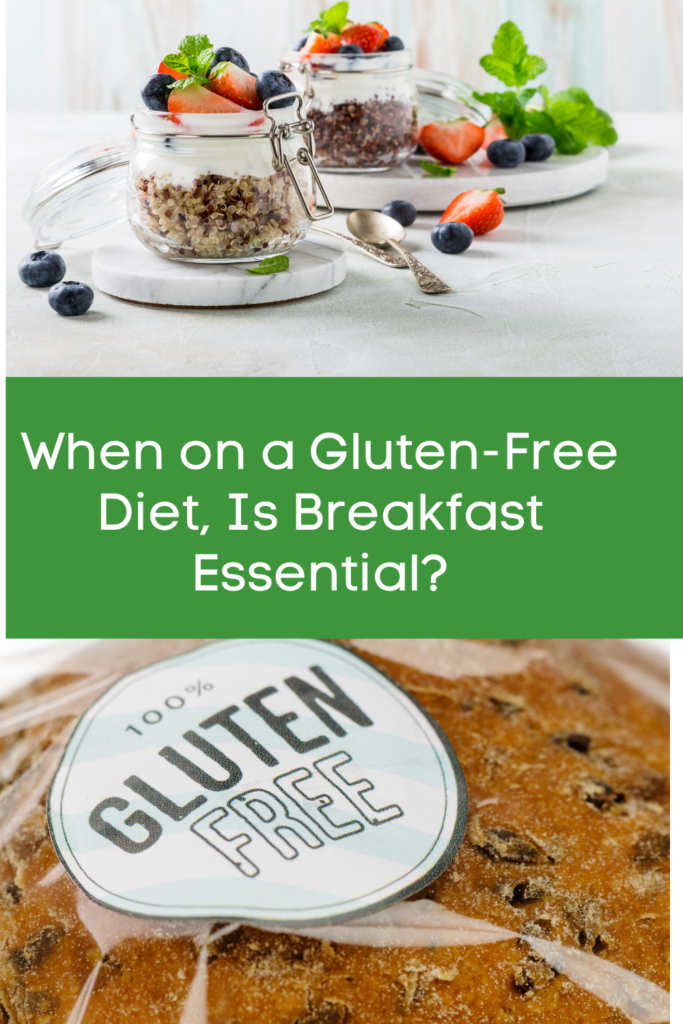
    When on a Gluten-Free Diet, Is Breakfast Essential?

    Deciding what to eat for breakfast is one of the biggest challenges people on a gluten-free diet face daily. Most of us were raised eating toast, cereal, pastries, etc. for breakfast. When you’re on a gluten-free diet, you’ll find you have to give up most of the childhood breakfast items you grew up on.

    At one point in my life, I was eating steel cut oats daily until that seemed to cause me problems as well.

    Gluten-Free Diet

    If you find that yourself craving bread, you know have to find a way to eat gluten-free bread, cookies, pastries, etc, instead. Besides the hassle of having to find gluten-free bread, you are also going to pay a lot more for it as well.

    As for me, I just gave it up and switched to eating Chia Pudding instead. Doesn’t always satisfy the cravings but eliminates the physical reactions to things I shouldn’t eat.

    There are many other types of nutritious things you can eat for breakfast, like quinoa or even a chicken leg if you want but this article presents another alternative you might not have considered – just skip breakfast altogether.

    Gasp – Yes, you read that right and if you are like me, you gasped out loud because the thought of NOT eating breakfast is unimaginable. Never mind the fact that we’ve been told for years that breakfast is the “most important meal of the day.”

    Gluten-Free Diet

    Here’s something to consider: your body can function just as well without breakfast. In fact, it just might be better if you do skip breakfast. Here’s why. When you skip breakfast, your body will be in a state of fasting for a longer period of time. Breakfast, after all, means to break the fast. If you typically sleep for 7-8 hours and skip breakfast, your first meal may be at 11am or noon.

    There are studies showing that “intermediate fasting” is actually a good way to optimally run your body and your metabolism. If you are looking to get rid of weight, this is one way to do that.

    The thinking goes like this: During a set period of time during the night while you sleep, your body is in a fast and burns fat stores for fuel. The intermittent fasting concept of fasting for about 16 hours a day is one of the best healthy habits that you could chose for your health.

    I have tried this in the past and it works like this. I pick an 8 hour period during the day that I will eat my meals. I found it difficult to not eat in the morning so I picked the time frame of 9am to 5pm. I can eat ONLY during that time frame and fast during the rest of the time.

    Many people have even more success with making the eating window smaller and fasting for more hours. You’d have to test this to see what works best for you.

    Let’s be honest, obesity has reached epidemic proportions in the US right now. Many people are hoping to change their health and intermittent fasting not only helps shed unwanted pounds, but it appears to come with an abundance of other health benefits too.

    Choosing to fast helps reduce insulin resistance, makes your cells function more optimally, can help prevent cancer, improves blood health, and even more benefits.

    Even better, if you happen to be on a gluten-free diet, you won’t have to constantly be trying to figure out what to eat for breakfast besides meat, fruit or vegetables. You can choose to skip breakfast completely and reap the benefits too.

    Obviously, if you are not used to eating like this, it’s going to take some time to get used to this way of life. Probably about 2 weeks to get into the habit of living this way. For optimal results, you should be aiming for a 16-hour fasting window daily.

    I know when I tried it, I had to adjust my meal time window on occasion if I had a meeting to go to, or a function to attend.

    Depending on what kind of schedule you have, adjusting may mean having your first meal at 12pm and your last meal for the day might be before 8pm. If you are living a “normal” day shift schedule, you might want to be sure your last meal is at least 2-3 hours before you go to bed. 8pm was too late for me as I hit the hay at 10pm.

    You will need to play around with the timing a little bit to see what works best for you and your lifestyle. As long as you’re fasting for 16 hours, you’ll be good to go. For the high achievers out there, if you can fast for 18 to 20 hours and have a shorter eating window, you can potentially accelerate your weight loss efforts even more (assuming you want to lose weight)

    When you first start something like this, it’s going to see a little unusual to skip breakfast completely, but if you research for yourself, you are going to see how powerful intermittent fasting really is.

    If you must have something to eat in the morning, you may consume something called “bulletproof coffee.” Bulletproof coffee is made by simply mixing some ghee and coconut oil into your morning coffee. It’s supposed to keep you feeling full for hours and help you get by until lunch time.

    When doing the intermittent fasting, you not only consume less carbohydrates, you might find it a lot easier to follow a gluten-free diet.

    I encourage you to give this a try. As always, consult with your physician first before taking on any new eating plan. If you do give it a try, I’d love to hear how it goes for you.

    Leave a comment below if you’ve tried it, OR, if you’ve found a good alternative for breakfast when eating gluten-free.

    Gluten-Free Diet

    Have questions or comments, you can Contact me as well.

  • Chia Pudding Recipe

    Chia Pudding Recipe

    I just wanted to share a personal gluten-free recipe with you in case you are like me and you still enjoy having breakfast. On occasion, I’ll eat this as a snack.

    I use glass canning jars that you can find just about anywhere (Wal-mart, grocery store, thrift store, etc)

    Gluten-Free chia pudding

    1 cup of milk unsweetened organic Almond Milk
    3 Tablespoons Organic dry Chia Seeds
    1 Tablespoon Organic Flax Seed
    1/2 cup frozen organic fruit (or fruit of choice)

    chia pudding recipe

    I shake everything up really good to make sure the chia seeds don’t clump up. Store in refrigerator until eaten. I usually make 7-8 days at a time and always have breakfast ready to go.

    chia pudding recipe

    When I do eat my chia pudding, I add some gluten free granola and about 1-2 tablespoons of organic Agave.

  • How Juicing Can Benefit Both The Mind And Body

    How Juicing Can Benefit Both The Mind And Body

    Juicing is an idea that has been around for a long time. It was only recently that it was discovered that juicing could benefit the body as well as the mind. The juices can help reduce the risk of heart disease and cancer and also improve your overall health. In this article, I am going to explain how juicing can help your body.

    One of the first benefits of juicing is that you can detox your stomach. You can benefit from a cleansing diet because your body is carrying a lot of toxins through your intestines. Juicing is an easy way to get rid of these toxins and get back to being healthy.

    juicing

    Juice cleanse programs work by combining vitamin and mineral supplements with fruits and vegetables. It also helps you reduce the amount of carbohydrates you eat, which is a key factor in colon cleansing. This combination works very well.

    Juicing is a great way to create a salad, add some protein, and taste good! There are all sorts of recipes for different tastes, including one that tastes like you have smoked salmon, another that tastes like coconut milk, and others that taste like yogurt and cheese. All of them taste good and are packed with vitamins and minerals.

    If you suffer from kidney problems, juicing can help. The enzymes in the juice to help keep your kidneys working properly. Kidney disease is a very serious condition, so do not be alarmed if it affects you. But you do need to do something about it if you want to improve your health.

    It has been shown that juicing can help improve your immune system. Some research has shown that this can help you fight off certain illnesses and avoid the recurrence of other illnesses. It can help boost your immune system and help you maintain good health.

    There are lots of antioxidant benefits to juicing. Fruits and vegetables are loaded with antioxidants. Juicing can help remove toxins from your body and make you feel better about your health. Antioxidants also help lower your risk of disease and overall prevent diseases.

    Juicing is excellent for improving your digestive systems. It will naturally promote digestive health and promote the good health of your digestive tract. In fact, fruits and vegetables are naturally high in fiber. By adding to those amounts, you are adding fiber to your diet and in turn improving your digestive health.

    Juicing is an excellent way to include fresh foods into your diet. It’s easy to prepare, and it makes healthy food choices easy. Juicing is just another way to add healthy, fresh foods to your diet, as well as an excellent way to get rid of toxins and bad bacteria.

    juicing

    Juicing can benefit you in so many ways. It can help you lose weight. And, it can improve your health.

    Just start using some of the different juicing recipes and see what benefits you experience. You might be surprised at what you find. Juicing is a wonderful way to enjoy tasty fruits and vegetables while helping to improve your health and get rid of toxins.

    juicing

  • What Foods Must You Eliminate When Eating Gluten-Free Meals?

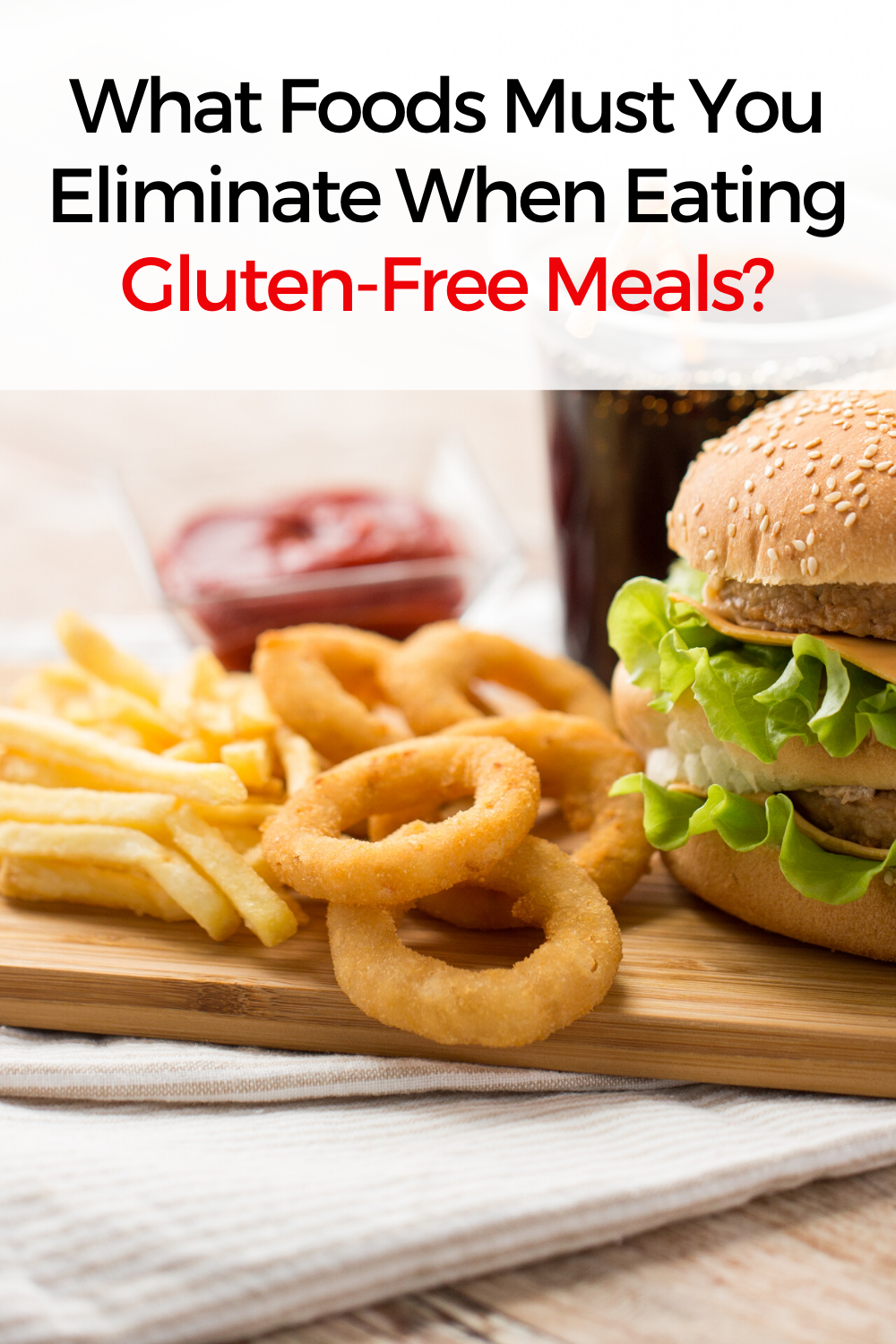
    What Foods Must You Eliminate When Eating Gluten-Free Meals?

    When you decide to go gluten-free, one of the largest challenges you’ll face is knowing what foods to eat and what to avoid. Gluten (wheat) can be found in foods you would never guess contain it and when your body is gluten intolerant and unable to properly digest the gluten protein, you’ll have issues.

    If you are gluten intolerant person and you consume gluten, you are likely to have a variety of related health issues like bloating, headaches, skin problems(rash, eczema), feel lethargic, have abdominal pain, suffer from digestive problems and so on.

    People suffering from celiac disease may suffer very dangerous consequences from even the smallest amount of gluten.

    This is why it is critical to know the foods to avoid eating and since gluten can sneak into foods that you wouldn’t normally expect to have gluten in it, it’s important you know what foods to eat and what to eat and you always read labels and remain vigilant.

    One common example of a food item that can wreak havoc is soy sauce that’s made and fermented with wheat. If you were not aware that typical soy sauce has wheat in it, and you used it while cooking or eating a meal, you’d could potentially experience the uncomfortable physical side effects of a gluten intolerance or gluten/wheat sensitivity.

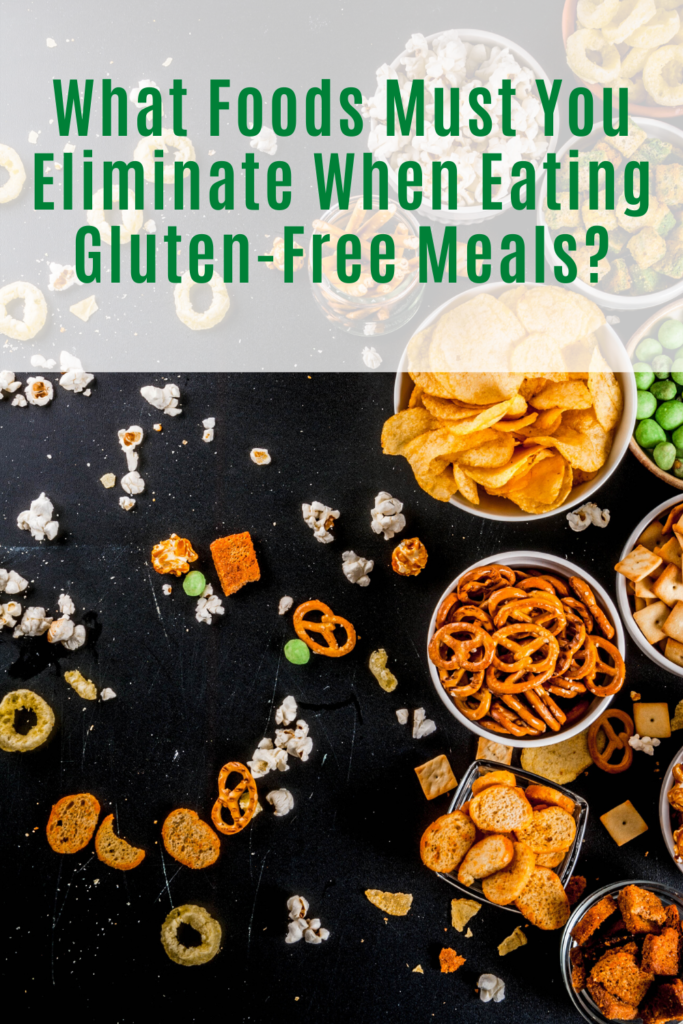
    That being said, let’s take a look at a sample list of foods you might want to to avoid eating or using in your cooking.

    • barley
    • barley malt
    • bulgur
    • chicken broth
    • condiments
    • couscous
    • cracked wheat
    • durum
    • einkorn
    • emmer
    • farina
    • faro
    • gliadin
    • graham flour
    • malt vinegar
    • matzo
    • rye
    • seasonings
    • seitan
    • semolina
    • soba noodles
    • some salad dressings
    • soy sauce
    • spelt
    • vegan burgers
    • wheat bran
    • wheat germ
    • wheat starch

    This is only a small sample of food containing gluten. Ketchup is a big one that is not listed above but requires reading the label. This list is merely a place to start and this article would be pages long if I tried to include everything. Simply put, you must become a label reader and get good at it.

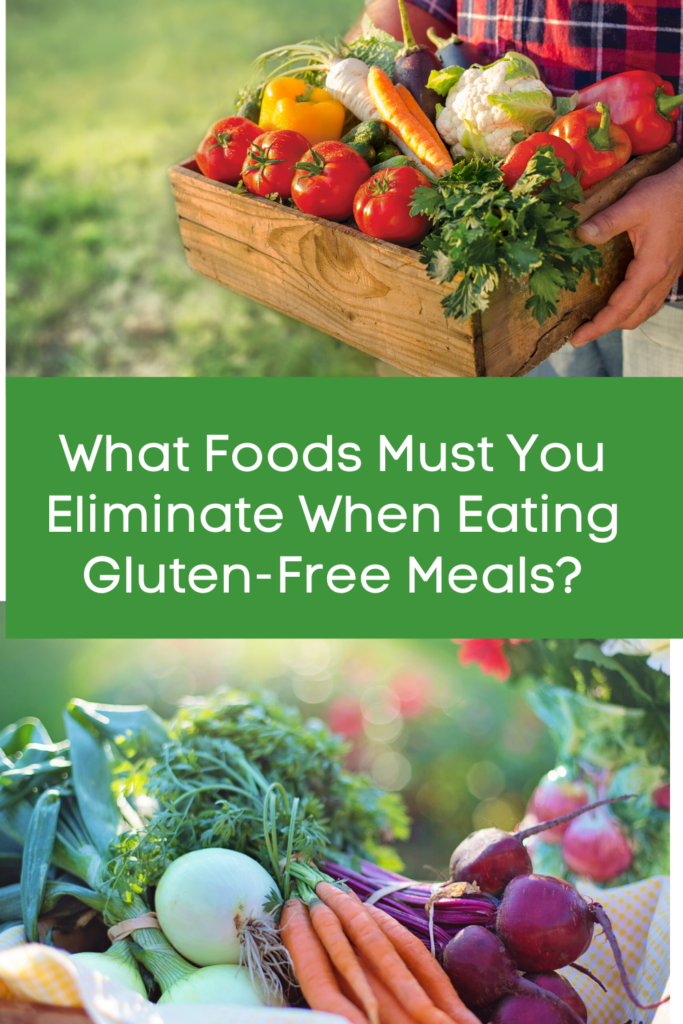
    Obviously, foods such as bread, pasta, etc. that are typical made with wheat can no longer be a part of your diet. Fortunately, there are a variety of gluten-free substitutes you can find in the grocery store. Or, simply avoid breads, breading, cookies, muffins, pastries, cakes and pasta.

    You also need to know that reading labels isn’t always so simple. Wheat flour can have many different names depending on how it has been milled or processed. If you happen to see flour that’s name “self-rising flour”, Farina, Graham flour, enriched flour or Semolina… you will want to avoid all of those because they contain gluten.

    Some of the more commonly eaten foods that have gluten are things like: cereals, desserts, salad dressing, biscuits, cookies, French fries, pasta, beer, cake, sauces, potato chips and even processed meats like spam and hot dogs. As you can see, the list can be endless and you must be diligent.

    Most often, the starch that’s required to bind together the ingredients of food, or to create some thickness in sauces, etc. contains gluten. Gluten is present in so much of our food because of the elastic nature of gluten that food manufacturing companies find useful.

    In my opinion, the easiest, and perhaps best way to succeed with a gluten-free diet is to cook for yourself. Yes, this can be a chore every day, but it’s honestly the best way to manage what gets in your food. I have gotten much better at just saying “no” to other peoples cooking. It’s way easier to say no then to ask a million questions about what ingredients were used, eat something only to find out they put soy sauce in and didn’t tell you.

    One simple way to manage a new eating plan is to plan ahead. Many people who find themselves on a on a gluten-free diet decide to cook all their meals on a specific day of the week, like Sunday. They then simply store the meals all week in the refrigerator and eat as needed with very little effort.

    When I first went gluten-free, I avoided allergy issues by sticking with fresh fruits and veggies. I ate a lot of salad with gluten-free dressing.

    For me, this was easier, required less time and meant less chance of being “glutened”. In a perfect world, our diets should be made of up mostly of wholesome and nutritious foods in their natural form giving us the best nutrients for our bodies needs.

    It goes without saying, it’s easy to suffer from deficiencies in needed nutrients if you aren’t careful so avoid cutting out too many foods that are healthy for you. You can use supplements in the form of multivitamins, etc to help avoid deficiency or correct a problem if something is lacking in your diet.

    In my opinion, you’ll do just find if you can stick to lean meat, eggs, fruit, vegetables and healthy fats. If you happen to be Vegan, or allergic to eggs, etc. be sure to explore ways to get all the nutrients you need through your food choices and nutritional supplements.

    Keep a close watch on the ingredients of any packaged food or meals, and as much as possible, prepare your meals at home for the first couple of months as you get familiar with how to avoid gluten.

    It’s only a matter of time before you’ll be able to whip up a tasty and healthy, gluten-free meal for you and your family.

    I hope you’ve found value in this article. If you have questions, be sure to contact me. Otherwise, stay tune for my next article about living Gluten-Free. If you’ve found a successful way to avoid gluten, share it in the comments below.

  • How to Decide If You Should Go Gluten-Free

    How to Decide If You Should Go Gluten-Free

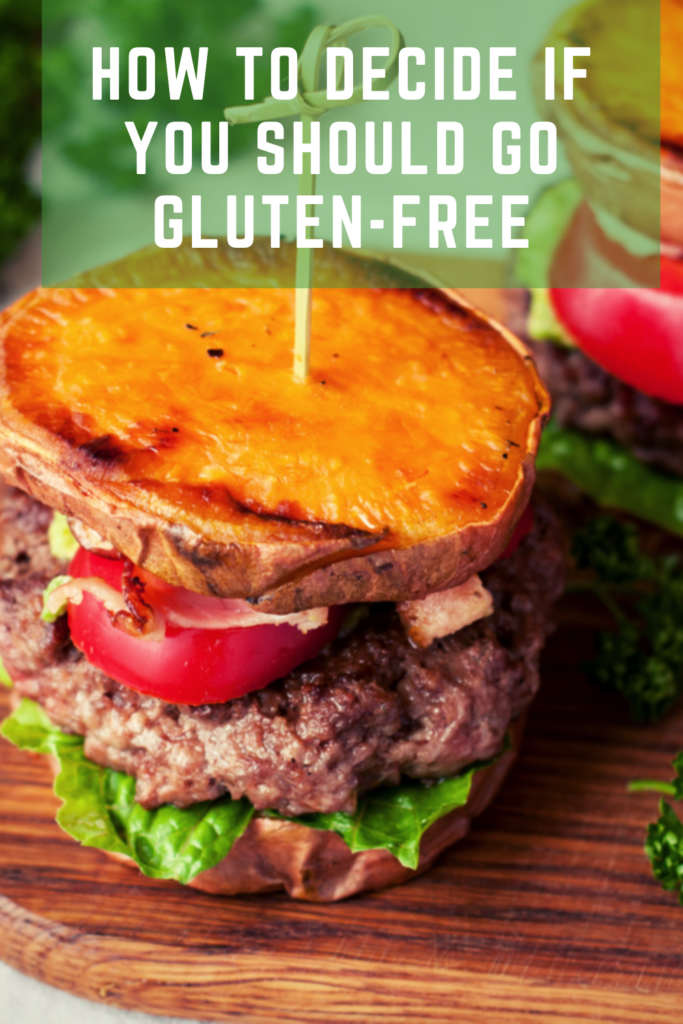
    Making a decision to go gluten-free or not is a tricky decision to make and it’s difficult for a reason. In this article, we’ll take a look at a few factors in play, giving you more information so you can decide if going gluten-free is you want to do or should you pass.

    How to Decide If You Should Go Gluten-Free
    • Those people who must go gluten-free?
      If you are someone suffering from celiac disease or you have non-celiac gluten sensitivity causing you problems, then you likely know you have no choice but to adopt a gluten-free diet.

      Your body is having a bad to gluten(or wheat) and is likely causing you all kinds of health problems from abdominal pain to skin rashes and even breathing problems.

      This was my personal experience with going gluten-free. Each time I’d eat something with wheat in it, I’d have bad skin rashes, congestion, and extreme fatigue requiring a lot of naps.
    • Those who want to be part of the latest trend
      If you are fortunate enough to not be gluten sensitive, making the change to a gluten-free diet is not needed and most doctors don’t recommend it. It’s important to not take on a new diet just because it seems to be the latest, coolest trend.

      In recent years, gluten has gotten a bad rap because so many people have decided to just jump on the bandwagon and avoid gluten just to be “cool” and try the latest new thing, or because everyone else is doing it.

      It’s important to understand why gluten is bad for people who can not tolerate it because it actually produces specific health issues. From my own personal experience, it seems that people who can not eat Gluten wish they could.
    • The path to wellness in a Gluten-Free diet
      If a person suffers from Celiac disease, or physically reacts to wheat or gluten, going on a gluten-free diet gives the body a chance to heal. By avoiding a variety of the offending substance, the small intestine has time to heal and recover.

      The body of a gluten-sensitive person physically reacts negatively to gluten which causes health a variety of health issues mentioned above. These are the people who need to cut it out totally so that their bodies are no longer triggered by the gluten. Even the smallest amount can cause problems. It’s not a fun way to live.

      But what if you’re not affected by gluten?
      Then your body doesn’t really need any healing in this area and you are left with only one reason – the benefits of a gluten-free diet.
    How to Decide If You Should Go Gluten-Free

    The biggest benefit of avoiding gluten would be that you cut out a huge chunk of processed foods because many of these foods contain gluten, etc. It just so happens, the moment you do this, you’ll be cutting out a lot of calories and sugar too. This could potentially result in weight loss and you feeling better.

    People often confuse the benefit of weight loss with the benefits of the gluten-free diet. In reality, you can lose weight with the paleo diet too. In fact, most healthy eating plans will recommend you reduce or eliminate the consumption processed foods.

    A gluten-free is not the only way to get rid of extra weight. That being said, some people who switch from normal cookies to eating gluten-free cookies discover they are still eating processed foods, but they’ve just given up the gluten and fiber and end up getting more sodium, sugar, etc. instead.

    What was suppose to be a healthy diet now becomes detrimental to good health. Let’s face it, there are definitely two sides to coin and one must keep that in mind.

    Following a gluten-free diet can cause constipation due to the decrease in dietary fiber through foods being eaten. . To prevent this, make it a point to increase your intake of vegetables and other foods like brown rice, peas, etc.

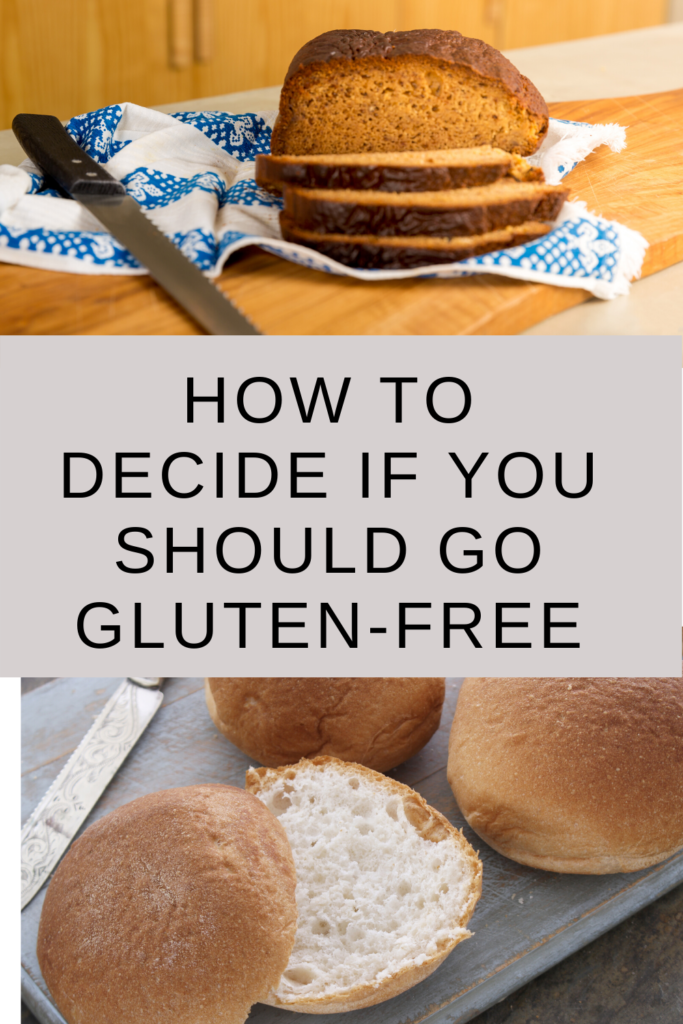
    Make sure to keep nutrient deficiencies in mind. For example, normal bread contains a lot of enriched vitamins and minerals. While eating lots of bread can lead to weight gain, it is still rich in the nutrients a body needs.

    When cutting bread and other gluten containing foods from the diet, it not only means the exclusion of gluten, but also the exclusion of necessary vitamins and minerals that come from these foods. This could potentially cause a whole new set of problems related to nutritional deficiencies

    If your body ends up low in vital nutrients, you’ll need consider supplementing with a multivitamin or other supplements to make up for the deficit.

    Besides the extra cost now for supplements, it might not be worth all the effort if you aren’t actually gluten intolerant and just following this way of life to lose extra pounds.

    To recap, If you are in actuality gluten sensitive, then following a gluten-free diet will be beneficial and worth the added effort. If you’re not having physical reactions to gluten, then you are better off finding other healthy eating plans like the keto diet or Mediterranean diet.

    How to Decide If You Should Go Gluten-Free

    I hope you’ve enjoyed this article. Be sure and come back and watch for future articles that help you learn how to navigate a new way of eating when you find it necessary to avoid wheat and gluten.

    Feel free to contact me with any questions or leave a comment below if you’ve enjoyed this article.

  • Know The Powers Of This Super Fruit – Avocado

    Know The Powers Of This Super Fruit – Avocado

    If you are looking for a healthy and tasty snack you should check out avocados. In this article we will go over some of the health benefits of avocados.

    The primary difference between the edible and the raw fruit is the fact that the raw fruit grows on the palm of a cactus called the Canavanaca. These fruits are green, ripen in about three months, and contain many small seeds that are sweet and tasty to eat. Most of the major foods on the market have little or no avocado in them at all.

    Know The Powers Of This Super Fruit - Avocado

    It is because the avocado contains a large amount of insoluble fiber, which gives it a low glycemic index. The insoluble fiber keeps blood sugar from going too high or too low. Since it is a good source of dietary fiber it can help lower your cholesterol.

    Low blood pressure, low cholesterol and lower triglycerides are a few of the benefits of avocados. It is also believed that it can lower the risk of colon cancer. Many people will also report feeling more energetic and alert after having a slice of avocado on their cereal. Even though the fiber content in the avocado may reduce constipation, you should avoid eating it raw or eating it with too much sugar and cheese.

    One of the other benefits of avocados is its antioxidant content. Antioxidants help fight free radicals and other toxins that are created by free radicals that are the cause of aging. They are also believed to help prevent certain cancers, skin conditions, and eye problems.

    A well balanced healthy diet should also include foods that have high amounts of fiber. Avocados are high in soluble fiber and lower in insoluble fiber and therefore can be a healthy addition to a healthy diet.

    One of the best ways to eat an avocado is to remove the pit and slather it with olive oil and garlic powder. If you like your food extra tasty you can cut the avocado in half, mix it with salsa, and serve it with sour cream and guacamole.

    A healthy diet is one that consists of vegetables, fruits, fish, poultry, and nuts. Avocados can be a part of this healthy diet but it is important to remember to eat it in moderation because they are high in calories.

    Eating an avocado once or twice a week is an excellent way to get all the essential vitamins and minerals that your body needs. However, you need to take care not to overdo it because your body is going to need it more if you are trying to lose weight.

    Know The Powers Of This Super Fruit - Avocado

    Another way to get the essential vitamins and minerals your body needs is to have plenty of protein in your diet as part of your healthy diet. Protein helps increase your energy level and helps you feel and look better.

    A healthy diet is a plan that includes the foods that you enjoy eating most and are recommended by your doctor or dietitian. To make sure you are eating a healthy diet, stick to your plan, and keep healthy eating habits that are proven to help you lose weight.

    Know The Powers Of This Super Fruit - Avocado

  • Allergies And Eczema, How Are They Related?

    Allergies And Eczema, How Are They Related?

    Allergies are a large factor in the development of eczema. Not only are allergies the most common cause of eczema, but they are also the cause for a lot of the symptoms that accompany eczema. While not all eczema is triggered by allergies, the great majority of those who are affected by eczema also have allergies. Many people think that there is some sort of relationship between the two, but this is simply not true.

    An allergic reaction is what causes a reaction in a person’s body. This is why people are usually told to eat foods that are known to be triggers of their allergies. The person who is allergic to something can actually develop an allergy to that same thing, in turn causing an allergic reaction.

    Allergies And Eczema, How Are They Related?

    When a person is allergic to a substance or product, it could be because they are eating the food that contains the allergens, or they could be inhaling the allergens in the air. Either way, the process can be very harmful to the body.

    Allergies can have very negative effects on the body. They may result in asthma attacks, which can be quite dangerous. Some people will get shortness of breath or even a chest infection when they have a severe allergic reaction to a particular substance or product.

    Allergy to food, dust, and mold can cause a chronic asthma attack. However, when an allergy attack occurs, it’s often accompanied by a headache and other symptoms of irritation. These symptoms can range from a mild itch to an itchy scalp, to a fever and swollen lymph nodes.

    If an eczema sufferer has a severe reaction to a food that they have eaten, then it may lead to a rash, and then to small blisters on the skin. Sometimes, these blisters will heal without any scarring.

    Sometimes, allergies to food, dust or mold can be so severe that the person can’t stop sneezing or running a fever. In this case, they’ll have to see a doctor or allergist. Often, treatment involves the use of drugs to control the swelling and itching of the skin.

    Allergies can also be caused by chemicals in certain products. For example, if you have a tendency to be allergic to pollen, then chances are that you will have allergic reactions to certain scented candles and perfumes. The chemicals used in these products will react with your body’s chemical makeup, causing allergy reactions.

    Allergies are also a major factor in the development of eczema in the first place. The body’s response to the food that a person eats is different than the response to a chemical found in a product.

    Allergies And Eczema, How Are They Related?

    In addition to food allergies, a lot of people who have eczema also have allergies to preservatives and fragrances in cosmetic products. When these products are improperly stored, then the person may suffer from dry skin and even chapped lips.

    Allergic reactions to products that are made for children can also be found. Especially if a child spends a lot of time with the products, then these products may be able to trigger allergies to which the child is not yet fully adapted. Since so many chemicals in so many products can trigger allergies, the use of sprays and powders is a common way to treat eczema.

  • Can You Lose Weight with a Gluten-Free Diet?

    Can You Lose Weight with a Gluten-Free Diet?

    The phrase “gluten-free diet” is often confused with other diets like th Keto diet, paleo diet or even the Atkins diet. As with most diets, people are expecting a gluten-free diet to result in weight loss.

    In this case, the truth is, a gluten-free (GF) diet is more of a special diet for health reasons rather than focusing on weight loss or a fitness goal. I know I personally didn’t go looking to try to the GF diet to just lose weight, I turned to it because my health was suffering.

    Those of us who make a decision to get on a gluten-free diet are basically unable to digest the gluten that’s found in wheat and some grains.


    Because of this, we encounter a variety of health problems such as abdominal pain, diarrhea, skin problems(like rash and hives), headaches and much more.

    One of the only way to prevent, avoid, and improve these problems is to get on a diet that excludes all foods that contain gluten. For me, the food sensitivity is actually “wheat” but it’s easier to follow gluten-free to be safe.

    If you are looking to lose weight, weight loss is more dependent on restricting calorie consumption than it is about gluten consumption. You also need to expend more calories daily than you consume to achieve fat loss.

    When you begin reducing calories in your diet, your body will begin to tap into the fat stores on your body for fuel and then begin to burn off excess fat. Simply put, without a calorie deficit, there cannot be fat loss.

    So, even if you’re on a gluten-free diet but not watching or reducing calories you take in in relation to calories you expend, you will not see any weight loss.

    Unless you are eating tons of bread, pasta and other things daily, getting on a gluten-free diet when you’re not gluten sensitive could be a pointless endeavor.

    This diet is not easy. If you have a gluten sensitivity or wheat, you just can not eat a lot of food that is typically purchased outside the home, served in restaurants, etc. Every day foods like bread, sweets, processed meats, fast foods, ketchup etc. contain gluten and are foods you must avoid. Try going around for a week and avoiding all the things that contain gluten (or in my case wheat). You won’t be able to eat like everyone else around you.

    Honestly, if you don’t have gluten or wheat sensitivities, you are better off sticking to a less stringent diet. A keto diet or paleo diet will be much more practical and appealing to you. You’ll be able to get all the nutrients you need without having to worry about whether gluten is present in the food.

    Let’s get real, weight loss is hard enough without making it even more difficult trying to severely restrict what you can eat on your diet.

    Now, that being said, if you’re actually gluten or wheat sensitive or intolerant, you can potentially lose weight on a gluten-free diet… but it still really comes down to your calories and not the actual food you’re consuming.

    The point it, you are making a tough decision to go gluten-free to avoid the negative reactions to your body and your overall health. You’re not doing it for weight loss.

    To lose weight, you need to reduce your calorie intake, increase the calories you expend, and know your numbers. Here’s a great tool to help you understand just how many calories you need to consume here: https://www.freedieting.com/calorie-calculator

    Once you know your numbers, you simple need to stick to them, and you’ll eventually see weight loss. To change the progress of your weight loss, adjust your numbers every week until your are satisfied.

    It also goes without saying that exercise is great for boosting your metabolism and accelerating weight loss efforts through dieting. You’ll even burn more calories while at rest and reach your goal weight even sooner.

    One tool that I like to use to help me log calories is MyFitnessPal. This is a great way to stay on track with what you eat and what you drink, and even allows you to log exercise.

    Always remember that your main goal for being gluten-free is to avoid getting sick, improved health or and to avoid the harsh effects of gluten when your body rejects it. Weight loss while a worthy goal is secondary here.

    First Things First
    Get your gluten sensitivity issue under control first by eliminating all gluten from your diet. This is a HUGE task and will require constant effort and vigilance in the beginning. You need to check ALL labels and get rid of anything that has potential of causing you problems. So, focus on it first.

    Once you get this taken care of, and your body begins to adapt to the gluten-free diet, you can start watching the calories and working to reduce your weight.

    In this way, you’ll be focusing on one task at a time and achieving your goals faster and much more easily without stressing yourself out.
    Inch by inch, life’s a cinch. Yard by yard, life is hard. Make measurable progress in reasonable time.

    If you enjoyed this article, please share using buttons below and leave a comment below!

  • What A GLUTEN-FREE Diet Can Do For You

    What A GLUTEN-FREE Diet Can Do For You


    It seems now more than ever, there are many people now dealing with a serious issues related to gluten. The reality is, one bite of an ordinary piece of bread or pasta can put them in the bathroom for hours. These people already know the advantages of a gluten-free diet. They live it every day.

    This was me. I have eaten just about anything I wanted all my life until I reached my 50’s. Suddenly, I developed a sensitivity to wheat and found it necessary to avoid gluten.

    What A GLUTEN-FREE Diet Can Do For You


    If you don’t happen to fall into this group of people unable to eat gluten, there are still many advantages in adopting a gluten-free diet. Your physical and mental health can benefit, your waistline and scale might see an improvement, too.


    The benefits of a gluten-free diet can be significant:
    1. Foods with gluten are often food that are processed and unhealthy. It appears that gone are the days when bread and pasta are considered health foods or main staples of every diet. Butter, cheeses, sauces, and other things that go along with bread and pasta no longer benefit your health as well as options offered through a gluten-free diet.


    Foods high in gluten are often the high calorie food we eat in large quantities. How many rolls do you eat at Thanksgiving? How many servings of lasagna do you eat when it’s served for dinner? Truth is, high gluten foods are often the ones we overeat.


    2. After eating a meal that contains gluten, many people don’t feel their best afterwards. There are many side effects to eating gluten that aren’t as dramatic as those suffered by those with a gluten intolerance. For many people, gluten can be the cause or many issues like:

    *Fatigue Depression
    *Migraine headaches
    *Bloating
    *Skin problems
    *Abdominal pain
    *Brain fog
    *Joint pain
    *Diarrhea or constipation
    *Behavioral issues


    3. Going gluten-free can help improve cholesterol levels. Studies show that a diet free of gluten can actually help improve cholesterol levels. It appears that by removing processed carbohydrates helps reduce inflammation which help cholesterol levels.


    4. Choosing Gluten-free foods can help reduce inflammation all over your body. Inflammation is a major part of many diseases, including heart disease.


    5. A gluten-free diet can reduce arthritis symptoms. Anything that reduces
    inflammation in the body can possibly help reduce arthritis pain, too. If you suffer from joint pain, try removing gluten from your diet and see if you notice improvement.

    What A GLUTEN-FREE Diet Can Do For You


    For many people, Gluten causes symptoms they don’t even realize are related to the foods they are eating. I believe everyone should consider trying a gluten-free diet, even if it’s just for a week. If you’re sensitive to gluten, it won’t take long to see significant results.

    You have nothing to lose! (except maybe some weight)


    Here are some simple strategies to starting a gluten-free diet :

    1. Remove all sources of gluten from your diet. Anything that contains wheat contains gluten and vice versa. When eliminating it from your diet, it’s important to check labels. Many items contain wheat as a filler – even items you wouldn’t expect, such as ketchup, dressings, and some ice creams.

    • Many of the best known sources of gluten are bread, many processed cereals, cookies, crackers, pancakes, and pasta.
    • Choosing unbreaded meat and seafood, fruits, vegetables, nuts, and beans are good options to avoid it in your food.
    • In recipes that call for flour, you substitute other flours. Most stores and online retailers offer a wide selection of alternative flours, such as almond, rice, or oat flour.
    • When eating out, avoid gluten by sticking with whole foods such as meats, fruits, and vegetables, without breading and added sauces.


    2. Give it some time and see how you feel. If you have an issue with gluten, it will only take a few days to notice that you feel better.


    3. Keep working on it. If your first few days or week without gluten was a positive experience, continue experimenting and see how much better you feel after two week, a month, or longer. Many people are pleasantly surprised by how much better they feel, both physically and mentally.


    A gluten-free diet might not be for everyone, but many will experience a variety of benefits when eliminating gluten from their diet. The physical and psychological benefits alone can be significant.

    What A GLUTEN-FREE Diet Can Do For You


    I believe it really is worth the effort to at least try a gluten-free diet for a week. See how you feel and make an intelligent decision from there. You might find that giving up gluten is the best thing you’ve ever done for yourself.