Tag: gluten free

  • Autoimmune Protocol (AIP) Diet: Day 1

    Autoimmune Protocol (AIP) Diet: Day 1

      This post may be sponsored or contain affiliate links, which means we may receive a small commission, at no cost to you, if you make a purchase through a link.

    The information, including but not limited to, text, graphics, images and other material contained on this website are for informational purposes only. No material on this site is intended to be a substitute for professional medical advice, diagnosis or treatment. Read the full disclosure.


    After dealing with several food sensitivities, I ended up starting the Autoimmune Protocol Diet. I decided I’d share the experience as I go through the next four months. I’ve already been eliminating so much from diet, I am hoping that giving up the few things I do still eat won’t be a big deal.

    ~ Coffee
    ~ Nuts
    ~ plant butter
    ~ and the occasional sweet like jelly beans

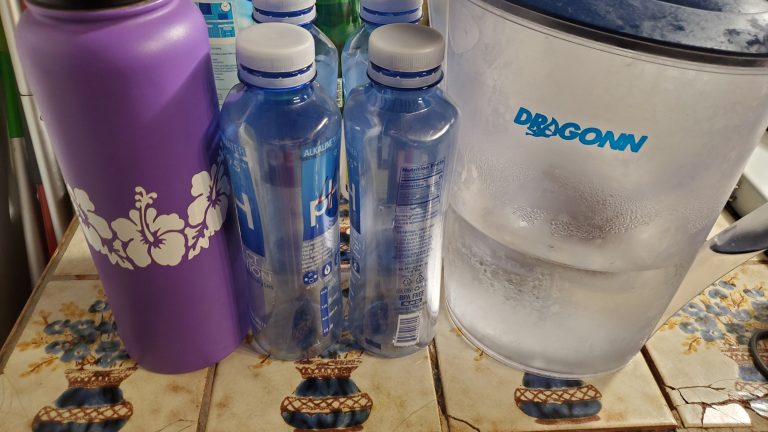
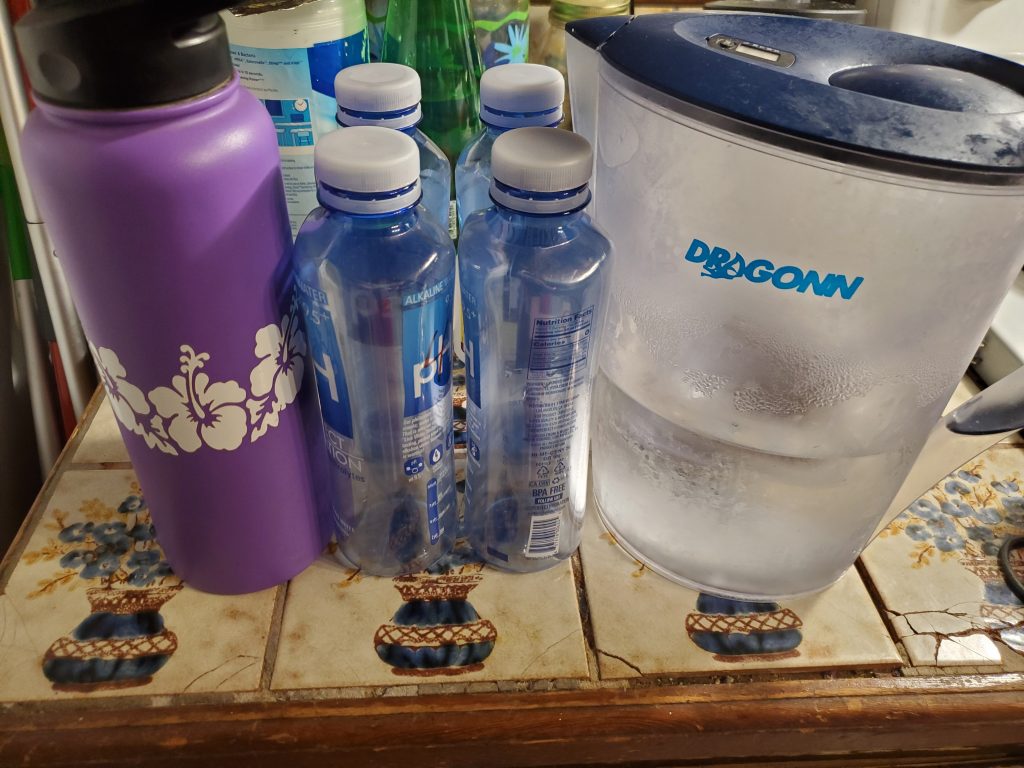
    I already drink a lot of water, but am “kick it up a notch” by getting in 80oz of water a day (YIKES) but I found an easy way to make sure I get the right amount daily. (see image below)

    I recycle 20oz water bottles and refill them daily with filtered alkaline water I have in the fridge.
    auto immune protocol diet

    The day started with supplements which actually ended up being less than what I was taking prior, lots of water, and eating plenty of organic vegetables and grass fed protein. I’ve already been gluten free (no grains at all really) and dairy free, egg free, so now to tighten things up.

    What is the autoimmune protocol?

    The Autoimmune Protocol (AIP) is a diet that aims to reduce inflammation, pain, and other symptoms caused by autoimmune diseases, such as lupus, inflammatory bowel disease (IBD), celiac disease, and rheumatoid arthritis

    Many people who have followed the AIP diet report improvements in the way they feel, as well as reductions in common symptoms of autoimmune disorders, such as fatigue and gut or joint pain. (source)

    The Autoimmune Protocol Diet (AIP) is just a part of what I’m doing to improve my health. I’m actually doing a cellular detox after doing a Meta-Oxy Test. I’ve been experiencing serious inflammation in my body, with arthritic joints and more and nothing seems to be improving.

    The Meta-Oxy Test measures malondialdehyde in the urine, which is a marker for oxidative stress and cell membrane damage due to free radicals. The substance in the test vial reacts with the toxic aldehydes in the urine, specifically the malondialdehyde released when fats are metabolized.

    The Hard Part: What I can’t eat

    This list gives you an idea of what I’ll be eliminating from my diet. It’s going to take commitment, focus, and some planning. Fortunately, I don’t eat out too much so that won’t be a problem. I also don’t drink so that will be easy.

    Foods to avoid 

    The AIP diet has strict recommendations regarding which foods to eat or avoid during its elimination phase

    • Grains: rice, wheat, oats, barley, rye, etc., as well as foods derived from them, such as pasta, bread, and breakfast cereals
    • Legumes: lentils, beans, peas, peanuts, etc., as well as foods derived from them, such as tofu, tempeh, mock meats, or peanut butter
    • Nightshade vegetables: eggplants, peppers, potatoes, tomatoes, tomatillos, etc., as well as spices derived from nightshade vegetables, such as paprika
    • Eggs: whole eggs, egg whites, or foods containing these ingredients
    • Dairy: cowโ€™s, goatโ€™s, or sheepโ€™s milk, as well as foods derived from these milks, such as cream, cheese, butter, or ghee; dairy-based protein powders or other supplements should also be avoided
    • Nuts and seeds: all nuts and seeds and foods derived from them, such as flours, butter, or oils; also includes cocoa and seed-based spices, such as coriander, cumin, anise, fennel, fenugreek, mustard, and nutmeg
    • Certain beverages: alcohol and coffee
    • Processed vegetable oils: canola, rapeseed, corn, cottonseed, palm kernel, safflower, soybean, or sunflower oils
    • Refined or processed sugars: cane or beet sugar, corn syrup, brown rice syrup, and barley malt syrup; also includes sweets, soda, candy, frozen desserts, and chocolate, which may contain these ingredients
    • Food additives and artificial sweeteners: trans fats, food colorings, emulsifiers, and thickeners, as well as artificial sweeteners, such as stevia, mannitol, and xylitol (SOURCE)

    My main reason for taking this on isn’t just about weight loss, but I believe that will be a bonus at the end of this.

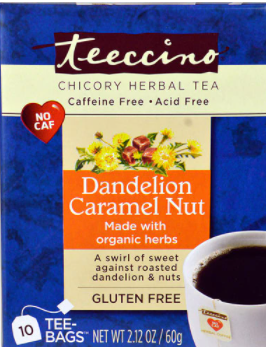
    I hope to share the positives: more energy, weight loss, maybe better skin, and even share the challenges. Fortunately, there is a lot of support on how to get around the cravings. I’m already set up with a coffee replacement: GASP
    Have you had any experience with the Autoimmune Protocol Diet? I’d love to hear your experience so please share in the comments blow.

    Blessings,

  • Should You Try A Gluten-Free Diet?

    Should You Try A Gluten-Free Diet?

    There was a time when having to eat a gluten-free diet, meaning a severe limitation of tasty choices. However, because of the rise in awareness for the need for gluten-free products, manufacturers are stepping up their efforts to produce gluten-free products. In fact, there are more gluten-free products available now than there ever have been. Manufacturers will probably increase the numbers further as time progresses. If you do have to go on a gluten-free diet, you don’t have to worry too much about giving up your favorite foods. Chances are you’ll be able to find a gluten-free substitute. If you can’t, there are a lot of quality gluten-free recipes on the internet.

    What is gluten?

    Gluten is a certain type of protein. Gluten is found in foods such as rye, wheat, and barley. Because most breeds and cereals make use of these foods, they usually also contain gluten. Just because the food is a grain, doesn’t necessarily mean it contains gluten. For example, wild rice, corn, buckwheat, millet, amaranth, quinoa, teff, soybeans, and sunflower seeds don’t contain gluten.

    There is some controversy surrounding oats. There are conflicting reports about oats. Many processed foods contain gluten because it is used as a food additive by many food manufacturers.

    Who should be on a gluten-free diet?

    If you suffer from an autoimmune disorder of the small intestine, called celiac disease, you will most likely be put on a gluten-free diet. Celiac disease is often misdiagnosed as irritable bowel syndrome. Some people have the disease but don’t really show any outward symptoms. The most common symptoms of Celiac disease include Chronic diarrhea, the inability to gain weight, unexplained iron-deficiency anemia, bone or joint pain, arthritis, depression or anxiety, tingling numbness in the hands and feet, seizures, canker sores, missed periods, itchy skin rash, and fatigue.

    There are some people who suffer from fibromyalgia who claim a gluten-free diet has helped alleviate some of their symptoms. If you suffer from fibromyalgia, you should discuss this option with your doctor. You may get some resistance from your doctor because, at this time, there hasn’t been any major research into the effects of a gluten-free diet on firbromyalgia. If you really want to try it, ultimately, it will be your decision. You just have to make sure with your doctor that you have no health issues that would preclude you from going on a gluten-free diet, clear it with your doctor first.

    People with diabetes may benefit from a gluten-free diet. You have to be careful about going on a gluten-free diet if you have diabetes. A lot of gluten-free products add extra sugar or extra fat to make them taste better. It is extremely important you talk about going on a gluten-free diet with your doctor or nutritionist before you consider going on a gluten-free diet.

    If your doctor says you have to go on a gluten-free diet, or you want to and your doctor says its okay, then you will have many food choices still available to you. You just have to look at labels carefully. Manufacturers are producing more and more gluten-free foods. If you have a craving for something that isn’t gluten-free, there are plenty of gluten-free recipes on the internet. There are also many gluten-free diet cookbooks available too.

  • Chia Pudding Recipe

    Chia Pudding Recipe

    I just wanted to share a personal gluten-free recipe with you in case you are like me and you still enjoy having breakfast. On occasion, I’ll eat this as a snack.

    I use glass canning jars that you can find just about anywhere (Wal-mart, grocery store, thrift store, etc)

    Gluten-Free chia pudding

    1 cup of milk unsweetened organic Almond Milk
    3 Tablespoons Organic dry Chia Seeds
    1 Tablespoon Organic Flax Seed
    1/2 cup frozen organic fruit (or fruit of choice)

    chia pudding recipe

    I shake everything up really good to make sure the chia seeds don’t clump up. Store in refrigerator until eaten. I usually make 7-8 days at a time and always have breakfast ready to go.

    chia pudding recipe

    When I do eat my chia pudding, I add some gluten free granola and about 1-2 tablespoons of organic Agave.

  • How Juicing Can Benefit Both The Mind And Body

    How Juicing Can Benefit Both The Mind And Body

    Juicing is an idea that has been around for a long time. It was only recently that it was discovered that juicing could benefit the body as well as the mind. The juices can help reduce the risk of heart disease and cancer and also improve your overall health. In this article, I am going to explain how juicing can help your body.

    One of the first benefits of juicing is that you can detox your stomach. You can benefit from a cleansing diet because your body is carrying a lot of toxins through your intestines. Juicing is an easy way to get rid of these toxins and get back to being healthy.

    juicing

    Juice cleanse programs work by combining vitamin and mineral supplements with fruits and vegetables. It also helps you reduce the amount of carbohydrates you eat, which is a key factor in colon cleansing. This combination works very well.

    Juicing is a great way to create a salad, add some protein, and taste good! There are all sorts of recipes for different tastes, including one that tastes like you have smoked salmon, another that tastes like coconut milk, and others that taste like yogurt and cheese. All of them taste good and are packed with vitamins and minerals.

    If you suffer from kidney problems, juicing can help. The enzymes in the juice to help keep your kidneys working properly. Kidney disease is a very serious condition, so do not be alarmed if it affects you. But you do need to do something about it if you want to improve your health.

    It has been shown that juicing can help improve your immune system. Some research has shown that this can help you fight off certain illnesses and avoid the recurrence of other illnesses. It can help boost your immune system and help you maintain good health.

    There are lots of antioxidant benefits to juicing. Fruits and vegetables are loaded with antioxidants. Juicing can help remove toxins from your body and make you feel better about your health. Antioxidants also help lower your risk of disease and overall prevent diseases.

    Juicing is excellent for improving your digestive systems. It will naturally promote digestive health and promote the good health of your digestive tract. In fact, fruits and vegetables are naturally high in fiber. By adding to those amounts, you are adding fiber to your diet and in turn improving your digestive health.

    Juicing is an excellent way to include fresh foods into your diet. It’s easy to prepare, and it makes healthy food choices easy. Juicing is just another way to add healthy, fresh foods to your diet, as well as an excellent way to get rid of toxins and bad bacteria.

    juicing

    Juicing can benefit you in so many ways. It can help you lose weight. And, it can improve your health.

    Just start using some of the different juicing recipes and see what benefits you experience. You might be surprised at what you find. Juicing is a wonderful way to enjoy tasty fruits and vegetables while helping to improve your health and get rid of toxins.

    juicing

  • Can You Lose Weight with a Gluten-Free Diet?

    Can You Lose Weight with a Gluten-Free Diet?

    The phrase โ€œgluten-free dietโ€ is often confused with other diets like th Keto diet, paleo diet or even the Atkins diet. As with most diets, people are expecting a gluten-free diet to result in weight loss.

    In this case, the truth is, a gluten-free (GF) diet is more of a special diet for health reasons rather than focusing on weight loss or a fitness goal. I know I personally didn’t go looking to try to the GF diet to just lose weight, I turned to it because my health was suffering.

    Those of us who make a decision to get on a gluten-free diet are basically unable to digest the gluten thatโ€™s found in wheat and some grains.


    Because of this, we encounter a variety of health problems such as abdominal pain, diarrhea, skin problems(like rash and hives), headaches and much more.

    One of the only way to prevent, avoid, and improve these problems is to get on a diet that excludes all foods that contain gluten. For me, the food sensitivity is actually “wheat” but it’s easier to follow gluten-free to be safe.

    If you are looking to lose weight, weight loss is more dependent on restricting calorie consumption than it is about gluten consumption. You also need to expend more calories daily than you consume to achieve fat loss.

    When you begin reducing calories in your diet, your body will begin to tap into the fat stores on your body for fuel and then begin to burn off excess fat. Simply put, without a calorie deficit, there cannot be fat loss.

    So, even if youโ€™re on a gluten-free diet but not watching or reducing calories you take in in relation to calories you expend, you will not see any weight loss.

    Unless you are eating tons of bread, pasta and other things daily, getting on a gluten-free diet when youโ€™re not gluten sensitive could be a pointless endeavor.

    This diet is not easy. If you have a gluten sensitivity or wheat, you just can not eat a lot of food that is typically purchased outside the home, served in restaurants, etc. Every day foods like bread, sweets, processed meats, fast foods, ketchup etc. contain gluten and are foods you must avoid. Try going around for a week and avoiding all the things that contain gluten (or in my case wheat). You won’t be able to eat like everyone else around you.

    Honestly, if you don’t have gluten or wheat sensitivities, you are better off sticking to a less stringent diet. A keto diet or paleo diet will be much more practical and appealing to you. Youโ€™ll be able to get all the nutrients you need without having to worry about whether gluten is present in the food.

    Let’s get real, weight loss is hard enough without making it even more difficult trying to severely restrict what you can eat on your diet.

    Now, that being said, if youโ€™re actually gluten or wheat sensitive or intolerant, you can potentially lose weight on a gluten-free dietโ€ฆ but it still really comes down to your calories and not the actual food youโ€™re consuming.

    The point it, you are making a tough decision to go gluten-free to avoid the negative reactions to your body and your overall health. Youโ€™re not doing it for weight loss.

    To lose weight, you need to reduce your calorie intake, increase the calories you expend, and know your numbers. Here’s a great tool to help you understand just how many calories you need to consume here: https://www.freedieting.com/calorie-calculator

    Once you know your numbers, you simple need to stick to them, and youโ€™ll eventually see weight loss. To change the progress of your weight loss, adjust your numbers every week until your are satisfied.

    It also goes without saying that exercise is great for boosting your metabolism and accelerating weight loss efforts through dieting. Youโ€™ll even burn more calories while at rest and reach your goal weight even sooner.

    One tool that I like to use to help me log calories is MyFitnessPal. This is a great way to stay on track with what you eat and what you drink, and even allows you to log exercise.

    Always remember that your main goal for being gluten-free is to avoid getting sick, improved health or and to avoid the harsh effects of gluten when your body rejects it. Weight loss while a worthy goal is secondary here.

    First Things First
    Get your gluten sensitivity issue under control first by eliminating all gluten from your diet. This is a HUGE task and will require constant effort and vigilance in the beginning. You need to check ALL labels and get rid of anything that has potential of causing you problems. So, focus on it first.

    Once you get this taken care of, and your body begins to adapt to the gluten-free diet, you can start watching the calories and working to reduce your weight.

    In this way, youโ€™ll be focusing on one task at a time and achieving your goals faster and much more easily without stressing yourself out.
    Inch by inch, lifeโ€™s a cinch. Yard by yard, life is hard. Make measurable progress in reasonable time.

    If you enjoyed this article, please share using buttons below and leave a comment below!

  • What A GLUTEN-FREE Diet Can Do For You

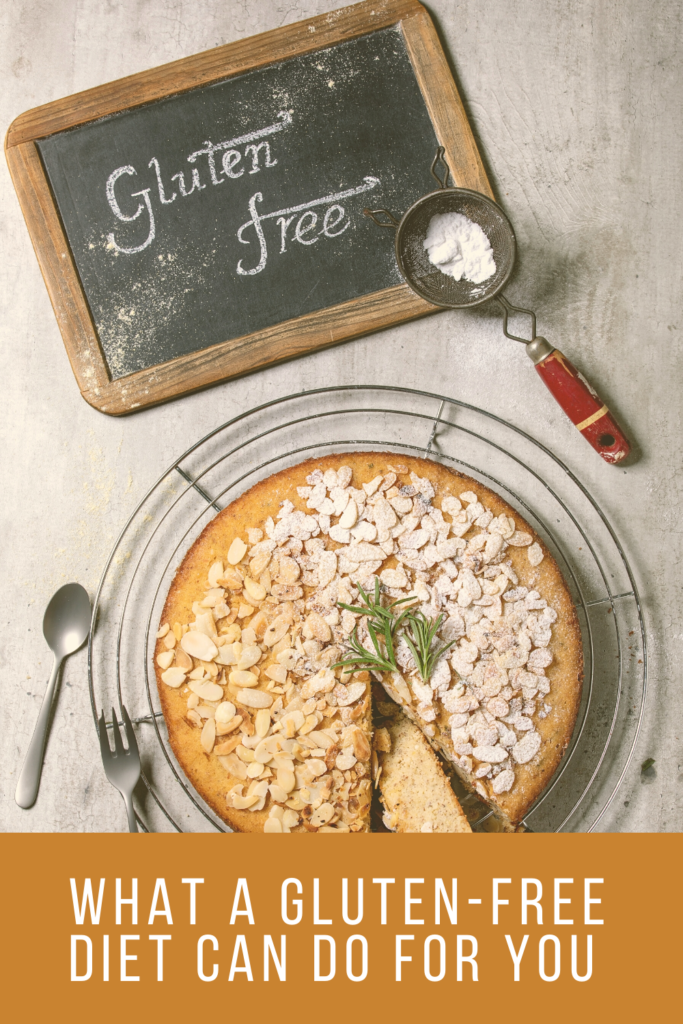
    What A GLUTEN-FREE Diet Can Do For You


    It seems now more than ever, there are many people now dealing with a serious issues related to gluten. The reality is, one bite of an ordinary piece of bread or pasta can put them in the bathroom for hours. These people already know the advantages of a gluten-free diet. They live it every day.

    This was me. I have eaten just about anything I wanted all my life until I reached my 50’s. Suddenly, I developed a sensitivity to wheat and found it necessary to avoid gluten.

    What A GLUTEN-FREE Diet Can Do For You


    If you donโ€™t happen to fall into this group of people unable to eat gluten, there are still many advantages in adopting a gluten-free diet. Your physical and mental health can benefit, your waistline and scale might see an improvement, too.


    The benefits of a gluten-free diet can be significant:
    1. Foods with gluten are often food that are processed and unhealthy. It appears that gone are the days when bread and pasta are considered health foods or main staples of every diet. Butter, cheeses, sauces, and other things that go along with bread and pasta no longer benefit your health as well as options offered through a gluten-free diet.


    Foods high in gluten are often the high calorie food we eat in large quantities. How many rolls do you eat at Thanksgiving? How many servings of lasagna do you eat when itโ€™s served for dinner? Truth is, high gluten foods are often the ones we overeat.


    2. After eating a meal that contains gluten, many people donโ€™t feel their best afterwards. There are many side effects to eating gluten that arenโ€™t as dramatic as those suffered by those with a gluten intolerance. For many people, gluten can be the cause or many issues like:

    *Fatigue Depression
    *Migraine headaches
    *Bloating
    *Skin problems
    *Abdominal pain
    *Brain fog
    *Joint pain
    *Diarrhea or constipation
    *Behavioral issues


    3. Going gluten-free can help improve cholesterol levels. Studies show that a diet free of gluten can actually help improve cholesterol levels. It appears that by removing processed carbohydrates helps reduce inflammation which help cholesterol levels.


    4. Choosing Gluten-free foods can help reduce inflammation all over your body. Inflammation is a major part of many diseases, including heart disease.


    5. A gluten-free diet can reduce arthritis symptoms. Anything that reduces
    inflammation in the body can possibly help reduce arthritis pain, too. If you suffer from joint pain, try removing gluten from your diet and see if you notice improvement.

    What A GLUTEN-FREE Diet Can Do For You


    For many people, Gluten causes symptoms they donโ€™t even realize are related to the foods they are eating. I believe everyone should consider trying a gluten-free diet, even if itโ€™s just for a week. If youโ€™re sensitive to gluten, it wonโ€™t take long to see significant results.

    You have nothing to lose! (except maybe some weight)


    Here are some simple strategies to starting a gluten-free diet :

    1. Remove all sources of gluten from your diet. Anything that contains wheat contains gluten and vice versa. When eliminating it from your diet, itโ€™s important to check labels. Many items contain wheat as a filler – even items you wouldnโ€™t expect, such as ketchup, dressings, and some ice creams.

    • Many of the best known sources of gluten are bread, many processed cereals, cookies, crackers, pancakes, and pasta.
    • Choosing unbreaded meat and seafood, fruits, vegetables, nuts, and beans are good options to avoid it in your food.
    • In recipes that call for flour, you substitute other flours. Most stores and online retailers offer a wide selection of alternative flours, such as almond, rice, or oat flour.
    • When eating out, avoid gluten by sticking with whole foods such as meats, fruits, and vegetables, without breading and added sauces.


    2. Give it some time and see how you feel. If you have an issue with gluten, it will only take a few days to notice that you feel better.


    3. Keep working on it. If your first few days or week without gluten was a positive experience, continue experimenting and see how much better you feel after two week, a month, or longer. Many people are pleasantly surprised by how much better they feel, both physically and mentally.


    A gluten-free diet might not be for everyone, but many will experience a variety of benefits when eliminating gluten from their diet. The physical and psychological benefits alone can be significant.

    What A GLUTEN-FREE Diet Can Do For You


    I believe it really is worth the effort to at least try a gluten-free diet for a week. See how you feel and make an intelligent decision from there. You might find that giving up gluten is the best thing youโ€™ve ever done for yourself.