Tag: celiac disease

  • What Health Issues Might You Experience If You’re Gluten Intolerant?

    What Health Issues Might You Experience If You’re Gluten Intolerant?

    Are there health issues you might experience if you are gluten intolerant? One specific illness called celiac disease is one adverse immune reaction that occurs in a person’s body when they consume foods that contain gluten. This gluten is a protein that’s found in foods like wheat, rye and barley.

    If you happen to have celiac disease, there are several health issues (symptoms) that can arise if you eat foods you should not eat. While not everyone is affected by celiac disease, you can still be gluten intolerant without being diagnosed as celiac. This basically means that you will experience similar symptoms, but perhaps just not as severe.

    Sadly, statistics are showing that more and more people are becoming intolerant to gluten and the problem is growing. Some studies show this increase could be due to the increased common use of genetically modified wheat in so many of the foods we eat today. Honestly, the jury is still out on this theory, and it depends on who you talk to, but what really matters is that you are aware of potential issues and recognize the different symptoms and know how they affect you and your health.

    Since many of the symptoms you might feel resemble other normal issues, it’s easy to overlook the symptoms that you may experience every now and then.

    Another common misconception is that gluten only affects your digestive system when in reality, many people experience a variety of symptoms like skin rashes, eczema, and headaches. Many times, these symptoms are a result of gluten intolerance. In the rest of this article, we’ll look at some of the issues that come up.

    Gluten Intolerant?
    • Digestive issues
      This issues is probably the most commonly experienced and most obvious. When you eat something your body doesn’t tolerate, you’ll have symptoms. For many who are gluten intolerant they may experience things like being bloated, they might be gassy or even experience abdominal cramps. Many times, even diarrhea is a common and uncomfortable problem.

      On the surface, the symptoms mentioned here might seem fairly harmless and just create discomfort for you. Unfortunately, there could be more serious issues happening like inflammation of the lower intestine and it not functioning properly.

      When a body is inflamed and not working properly, you are not able to absorb the nutrients from food your body needs. Besides that, a persons stools may become looser creating an urgent need to use the bathroom several times a day to empty the bowels. If this happens too much, it becomes an issue with staying hydrated from the loss of fluids on a daily basis.

      This particular symptom really depends on how a persons body is reacting to the gluten. Some may have just the digestive issues, in other cases, the sufferer may experience acid reflux and heartburn.

    • Mental problems and nerve issues
      As if digestive issues weren’t enough, some people experience headaches, fogginess and even numbness in extremities and these can be symptom of celiac disease. The headaches can be strong and recur often. Believe it or not, eliminating gluten from the diet can be one of the best ways to get rid of the headaches.

      As for numbness and tingling in the hands and feet. It’s hard to imagine this could be related to what you eat (gluten) but if you seek to have some improvement, you’ll need to eliminate gluten from your diet for these symptoms too.

      Sidenote: If you are experiencing numbness and tingling in your hands and feet, it’s best to speak to your doctor soon because it could be a sign of other health issues. Getting your doctors professional medical opinion is highly recommended.

    • Skin, hair and other problems
      This was my first sign that let me know I had to avoid gluten in my diet. Keratosis pilaris, dermatitis herpetiformis and rashes are all linked to gluten intolerance. The rashes are most often found on joints like elbows and even the back of the knee. Eczema and rashes might even show up on your scalp, forearms and back too.

      If you are experiencing rashes, they may come and go depending on what you eat, but if you want them to disappear permanently, you’ll need to get on a gluten-free diet and stick to it.

      For me personally, I can tell almost immediately that I’ve eaten something with gluten. My scalp starts itching, my skin itches, and I get a burning rash behind my ears – yep, behind my ears.

      Here’s something I did NOT know. Besides skin problems, gluten intolerance can lead to hair loss too. And as if everything I have already mentioned is NOT enough, you can experience joint pain, mouth ulcers, fatigues, memory problems, bruising, and so much more. These are all symptoms of Celiac disease.

      Besides the complications of celiac disease, you are also at risk for heart disease, cancer, lung problems and even infertility is affected when you’re gluten intolerant but you keep eating it.
    What Health Issues Might You Experience If You're Gluten Intolerant?

    By now I hope you’ve realized that gluten intolerance is one of those health issues that seems harmless on the surface to some people and only has uncomfortable symptoms… but if you don’t stop it in its tracks and keep ingesting gluten, it can lead to severe and debilitating, dangerous health problems. Is something you eat really worth that in the long run?

    Look, I’m preaching to the choir. I am guilty of continuing to eat things I know I shouldn’t all because I crave it only to wake up the next day wondering why I didn’t just say no. I’m still working on it.

    I am not celiac, but if you are diagnosed with celiac disease or you’re non-celiac gluten intolerant like me, please consider taking immediate steps to just eliminate gluten from your diet. You’ll protect your health, hopefully undo some damage, and you will just feel so much better.

    What Health Issues Might You Experience If You're Gluten Intolerant?

    If you have enjoyed this article, let me know in the comments. I’d love to hear if you have issues with gluten. Questions, please feel free to contact me.

  • What Is Gluten and Why Is It Dangerous for Many?

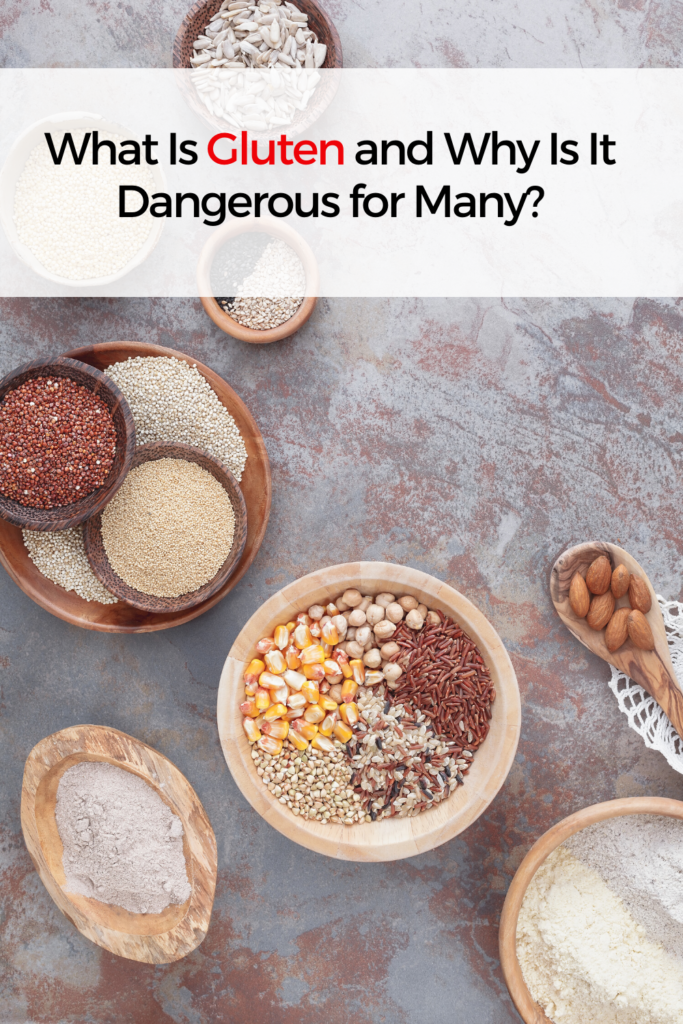
    What Is Gluten and Why Is It Dangerous for Many?

    Over the last few years, Gluten has developed a very bad reputation. With increased discussions about genetically modified foods, pesticides and many other issues, a lot of fallacy is being shared as fact.

    Simply put, Gluten is NOT a bad thing for most people and it only has negative affects those who are sensitive to it. Those with gluten or wheat sensitivities have legitimate reasons to avoid eating it.

    There has been a lot in the media over the years about genetically modified food and the effects of eating GMO, but that is a separate issue.

    gluten sensitive

    “There’s no question that celiac disease is on the rise, and non-celiac gluten sensitivity may be, as well. Some people have suggested that genetically modified wheat—also known as GMO wheat—might be to blame for these increases.” Source

    There have been people who have been sensitive to gluten for centuries. Some people have a problem with it, others do not.

    So What Is Gluten: Gluten itself is a protein composite that is found in foods like barley, wheat and rye. According to the Mayo ClinicGluten is a protein found in most grains. The gluten found in wheat, barley, rye and triticale (a cross between wheat and rye). While other grains such as corn, rice and quinoa also contain gluten, they don’t seem to cause the same problems as wheat, barley, rye and triticale.”

    When Gluten is stirred in hot water water, the viscoelastic nature of it creates a sticky, slightly gooey consistency that makes for a great thickening agent. Because of this main characteristic, many processed food manufacturers use gluten as a thickening agent in their foods to bind the ingredients together.

    The truth is, most processed foods contain gluten in some form or another. Even Ketchup has gluten (wheat) in it and something as common as beer, created from barley, also contains gluten. If you have a gluten or wheat sensitivity, you should avoid anything that contains it. This is why reading all labels and knowing all ingredients is crucial.

    What makes Gluten a bad guy?
    Gluten is an issue when you are a person who is sensitive to it. Those suffering from Celiac disease are not able to process the gluten in the food which cause problems like inflammation in the small intestine.

    Many gluten sensitive people will have stomach issues as well due to the swelling and inflammation created by the gluten sensitivity. Sensitive people experience all kind of physical reactions like: Abdominal pain, diarrhea, bloating, hives, weight loss, and more.

    As you can imagine, suffering physical symptoms like this are why gluten sensitive people must eliminate it from their diet. If you’ve ever tried to avoid gluten, you know what a Herculean task this might be. No matter how difficult, it really is necessary.

    In many instances, preparing meals at home, studying nutrition, and taking supplements are advised. Depending on how one chooses to eat, a gluten-free diet might cause nutrient deficiencies so you’d be advised to take supplements.

    Label reading: Gluten can show up in foods you’d never imagine and you’ll need to be more aware or risk getting “glutened.” You must become a label reader and get to know the ingredients you see on a label.

    I for one have found that the few ingredients, and the more natural, the better. Keep is simple. Raw and natural are the best. (think veggies and fruit)

    Dining out might end up being more of a challenge too. I for one have never studied a menu as hard as I do now because I have to work very hard to avoid gluten (wheat), dairy and eggs. Sadly, this is real life. You work hard to avoid gluten or you suffer the consequences and the only way your body can heal, is to eliminate it completely from your diet.

    There have been times when I consciously make a choice to eat something I know I shouldn’t, with the awareness that for the next 1-2 days, I’ll be paying the price. (note: I am not diagnosed Celiac, just wheat sensitive)

    As more and more people become aware of the fact that gluten may be the reason for various health issues, gluten continues to get a bad rap.

    In today’s world, the internet has made the world a smaller place and people are now more aware because they hear about it, read about, and can research easier than ever before.

    I discovered my wheat sensitivity almost by accident while visiting my chiropractor. I was having a lot of knew and back issues and I noticed I felt worse when I ate certain things. I just happened to ask my chiropractor if it was possible that certain foods could make my back hurt. He did a test, and yep…sensitive to wheat.

    When I don’t eat gluten (wheat), my neck, back and knees don’t hurt so much.

    Now, I can’t put the blame on it for sure, but gluten sensitivity is on the rise and many feel that GMO wheat may be to blame. I lived most of my life with no issues, but after moving to Kauai where GMO exists and higher use of pesticide than when I lived in Vegas, I developed sensitivity to wheat. Studies are still being done to determine if GMO wheat, and glyphosate are major contributors.

    “Published in the journal Interdisciplinary Toxicology, the study begins by proposing that “glyphosate, the active ingredient in the herbicide, Roundup, is the most important causal factor” in an increase in celiac disease and gluten intolerance worldwide.” (SOURCE)

    For the time being, if you often experience physical symptoms mentioned above like abdominal issues, skin rashes, or even headaches for no explainable reason, you might be gluten sensitive.
    Try eliminating gluten from your diet for a month or two and see if the symptoms disappear and if you feel better. If so, you could be a non-celiac gluten sensitive like myself. In that case, now you know it’s best to minimize or eliminate gluten intake from now on.

    What Is Gluten and Why Is It Dangerous for Many?

    If you’ve enjoyed this article, leave me a comment and tell me your experience with Gluten. You can also contact me with comments or questions.